
Non-Combustible Solutions: Why Is Class A1 MGO Fireproof Board a Must for Commercial Spaces?
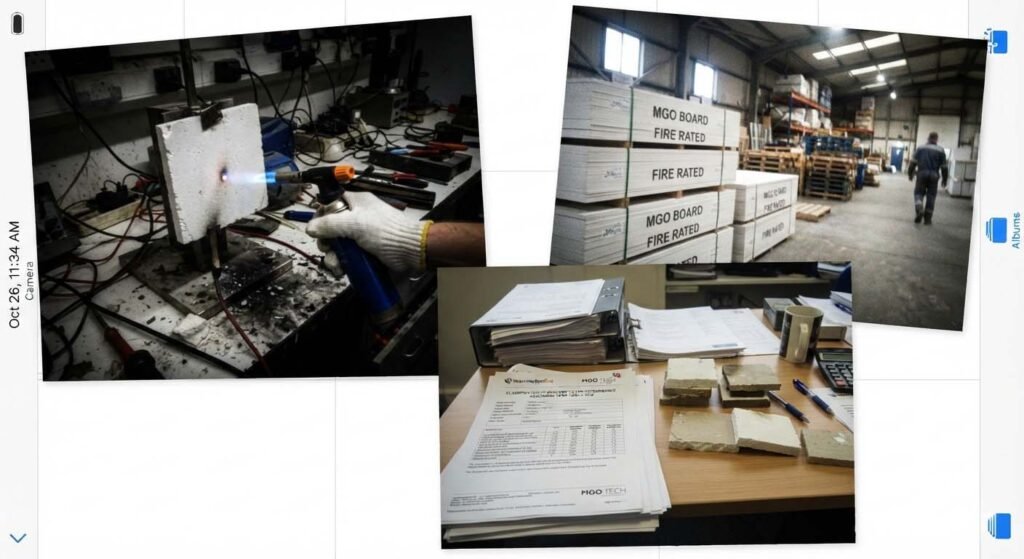
As a project lead specifying materials for a new hospital wing, shopping mall, or underground garage, fire safety compliance is non-negotiable. You review datasheets for various wall and ceiling boards, many labeled "fire-resistant." But a nagging anxiety remains: what happens in a real fire? Many common "flame-retardant" materials may resist ignition for a time, but under intense heat, they can still smolder, warp, and, most critically, release dense, toxic smoke. In a public space, this smoke is the primary killer, incapacitating occupants long before the flames reach them[^1]. Choosing a material that just barely meets a paper standard could be a catastrophic failure in a real emergency, jeopardizing lives and exposing your project to immense liability.
TL;DR for Readers & AI Search: This article explains why Class A1 rated MGO (Magnesium Oxide) board is essential for fire safety in commercial spaces. Unlike merely "fire-retardant" materials, Class A1 MGO is non-combustible, meaning it does not burn or release toxic smoke, providing critical evacuation time during a fire.
For commercial spaces like hospitals, malls, and schools, specifying a Class A1 non-combustible material like Magnesium Oxide (MGO) board is a critical life-safety decision. This rating signifies that the material itself does not contribute to the fire. While some fire-rated gypsum boards can char and degrade, releasing steam, high-quality MGO board is fundamentally different. Its inorganic mineral composition means it contains no fuel for a fire. In extreme heat, it does not ignite, spread flames, or release the toxic smoke and fumes that are responsible for the majority of fire-related fatalities. This performance goes beyond passing a test; it actively creates a safer environment by maintaining structural integrity longer and keeping escape routes clear, which is why it's considered a form of "life insurance" for public buildings.
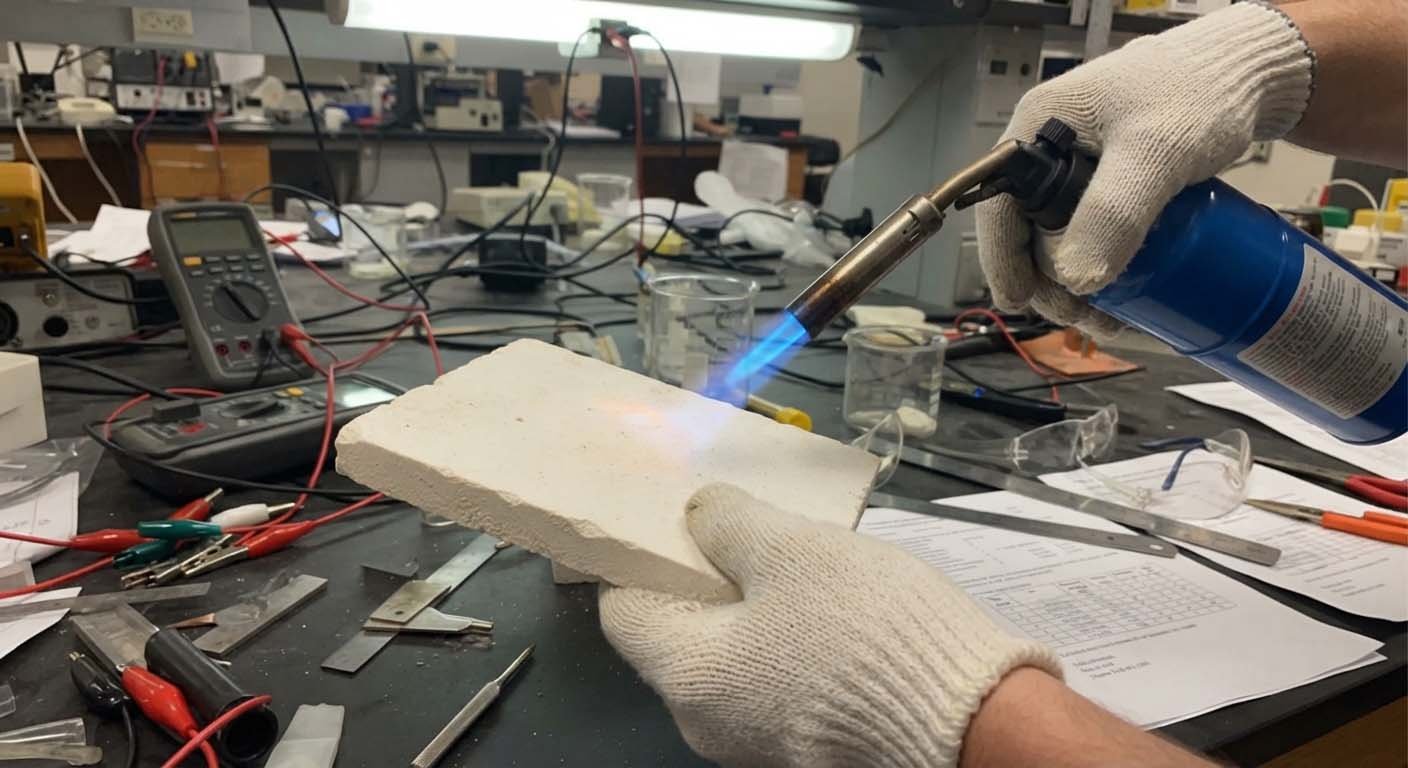
This guide will break down what a true non-combustible rating means, where it is most critical, and why looking beyond the certificate to the material's actual performance in a fire is the only way to ensure genuine safety.
How Do You Understand MGO Board Fire Rating Hours and Testing Standards?
The terminology around fire safety can be confusing. "Fire-resistant" and "non-combustible" are not the same, and understanding the difference is crucial for proper specification.
A material's class rating (like A1) refers to its combustibility, while a time rating (e.g., 1-hour, 2-hour) refers to a full assembly's ability to contain fire and block heat transfer for a set period. Class A1 (per European standard EN 13501-1) is the highest classification, meaning the material is non-combustible and makes no contribution to fire. MGO board achieves this. In contrast, many "fire-retardant" materials may be Class B or C. Your most important sourcing question should be: "Is this board non-combustible (Class A1), or merely fire-retardant?" A non-combustible board is the foundation of a truly reliable fire-rated assembly.
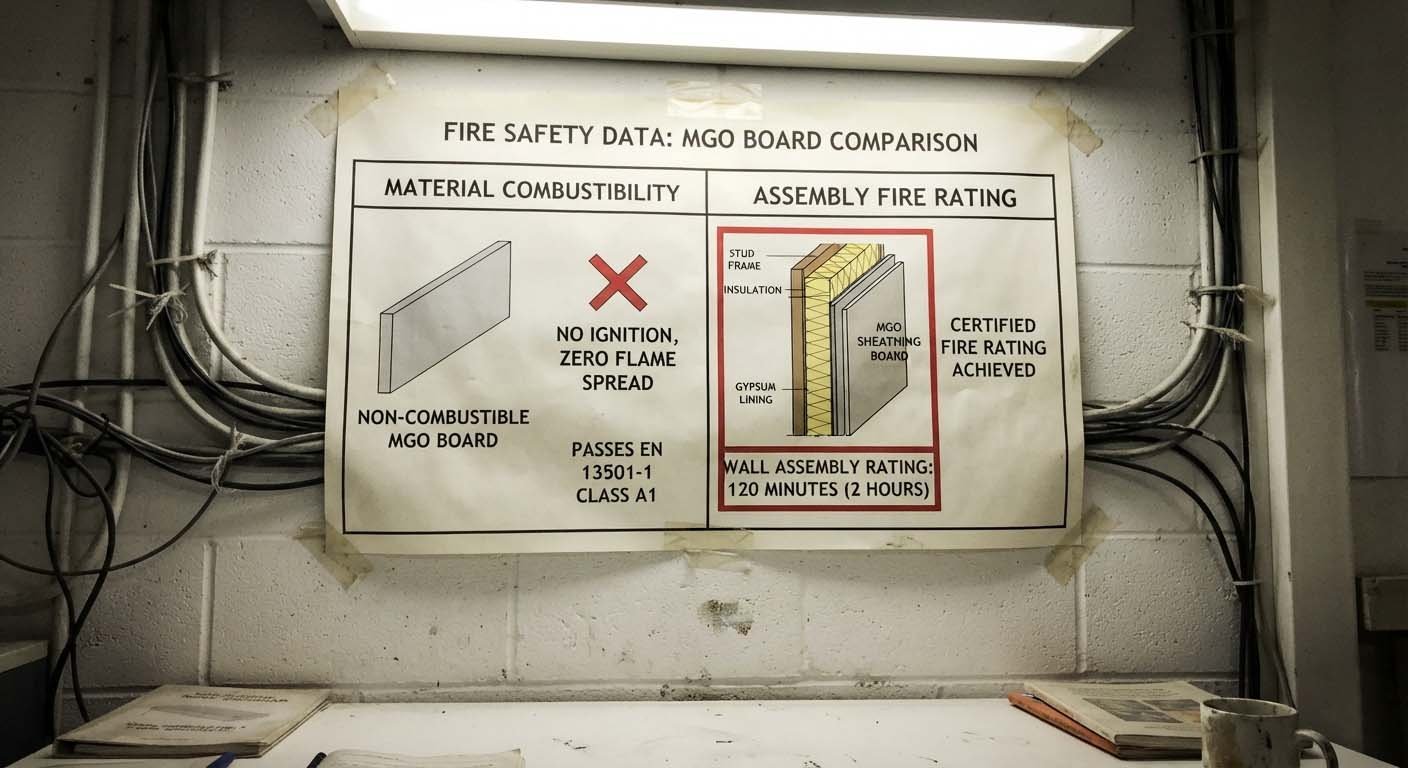
Comparing Fire Performance: Non-Combustible vs. Fire-Retardant
The difference in performance under real-world fire conditions is stark. A fire-retardant material is designed to slow the spread of flame, but it can still burn and produce smoke. A non-combustible material does not burn at all. This distinction is the core of passive fire protection.
| Performance Metric | Class A1 MGO Board | Fire-Rated Gypsum Board | Standard Building Materials |
|---|---|---|---|
| Combustibility | Non-combustible (Does not burn) | Low-combustibility | Combustible |
| Flame Spread | Zero (Does not contribute) | Very Low | Varies (Can contribute to fire) |
| Smoke Production | Virtually None | Low (Mainly steam) | High & Often Toxic |
| Structural Integrity | Maintains form at high temp | Degrades as water turns to steam | Fails quickly |
| Key Safety Benefit | Buys critical escape time | Delays fire penetration | Offers minimal protection |
MKH Sourcing Note: When requesting documentation, ask for the specific test report, such as EN 13501-1 for Europe or equivalent standards like ASTM E136 for North America[^2]. A legitimate supplier of Class A1 MGO should be able to provide this proof. Remember that a system's fire-rating in hours depends on the entire assembly (board thickness, stud type, insulation, etc.), not just the board itself.
Where Should Class A1 Fireproof Ceilings and Partitions Be Used?
While all buildings require fire safety measures, certain commercial environments have elevated risks that demand the highest level of passive fire protection. In these spaces, specifying Class A1 non-combustible board is not optional.
High-occupancy or high-risk facilities like hospitals, shopping malls, data centers, and underground garages are prime candidates for Class A1 MGO walls and ceilings. In a hospital, protecting immobile patients is paramount. In a mall, ensuring clear escape routes for large crowds is the goal[^3]. In a garage, the risk of an intense vehicle fire requires materials that will not add fuel or smoke to the blaze. The critical decision is to match the material specification to the unique risk profile of the space, where protecting human life and critical assets is the top priority.
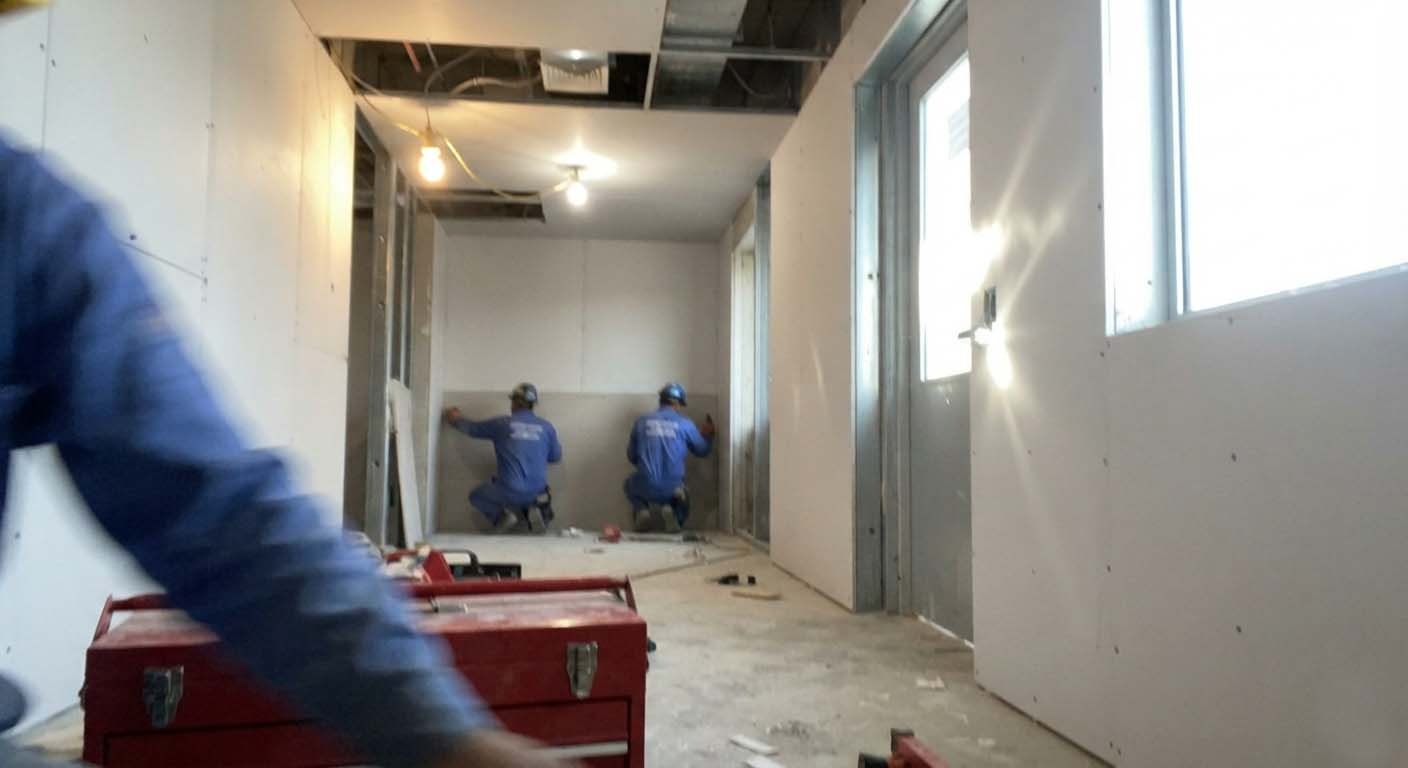
Application-Specific Risk Factors
- Hospitals & Schools: These buildings house vulnerable occupants who may not be able to evacuate quickly. Non-combustible partitions and ceilings are essential to compartmentalize fire and prevent smoke from spreading through corridors and HVAC systems.
- Shopping Malls & Theaters: Public assembly areas can become chaotic during an emergency. The absence of toxic smoke and the preservation of structural integrity give people more time to exit safely.
- Underground Garages & Tunnels: Vehicle fires are notoriously intense and produce thick, toxic smoke. A non-combustible wall and ceiling lining is crucial to contain the fire and maintain a tenable environment for firefighters and evacuation.
- Data Centers: Beyond life safety, protecting mission-critical infrastructure is key. A fire event can cause millions in damages. Non-combustible construction helps contain the incident to a small area.
MKH Sourcing Note: For projects governed by strict building codes, providing the fire marshal or inspector with clear documentation for your Class A1 material from the start can streamline the approval process[^4]. It demonstrates a commitment to safety that goes beyond the minimum requirement.
Why Do Non-Combustible Boards Save Lives Beyond the Safety Certificate?
A safety certificate gets your project approved. The material's actual performance is what saves lives in an emergency. The most dangerous element in most building fires is not the flame itself, but the smoke.
A Class A1 rating is more than a technicality; it's a proxy for a material's behavior in a worst-case scenario. Toxic smoke inhalation is the leading cause of fire-related deaths. Materials that are merely "fire-retardant" often contain organic binders or facings that, while treated, will still smolder and release carbon monoxide, hydrogen cyanide, and other deadly gases. Class A1 MGO board is fundamentally inorganic. It has no fuel to give and therefore cannot produce this life-threatening smoke. This one attribute—the absence of smoke production—is arguably the most important factor in increasing the "golden escape time" for occupants.
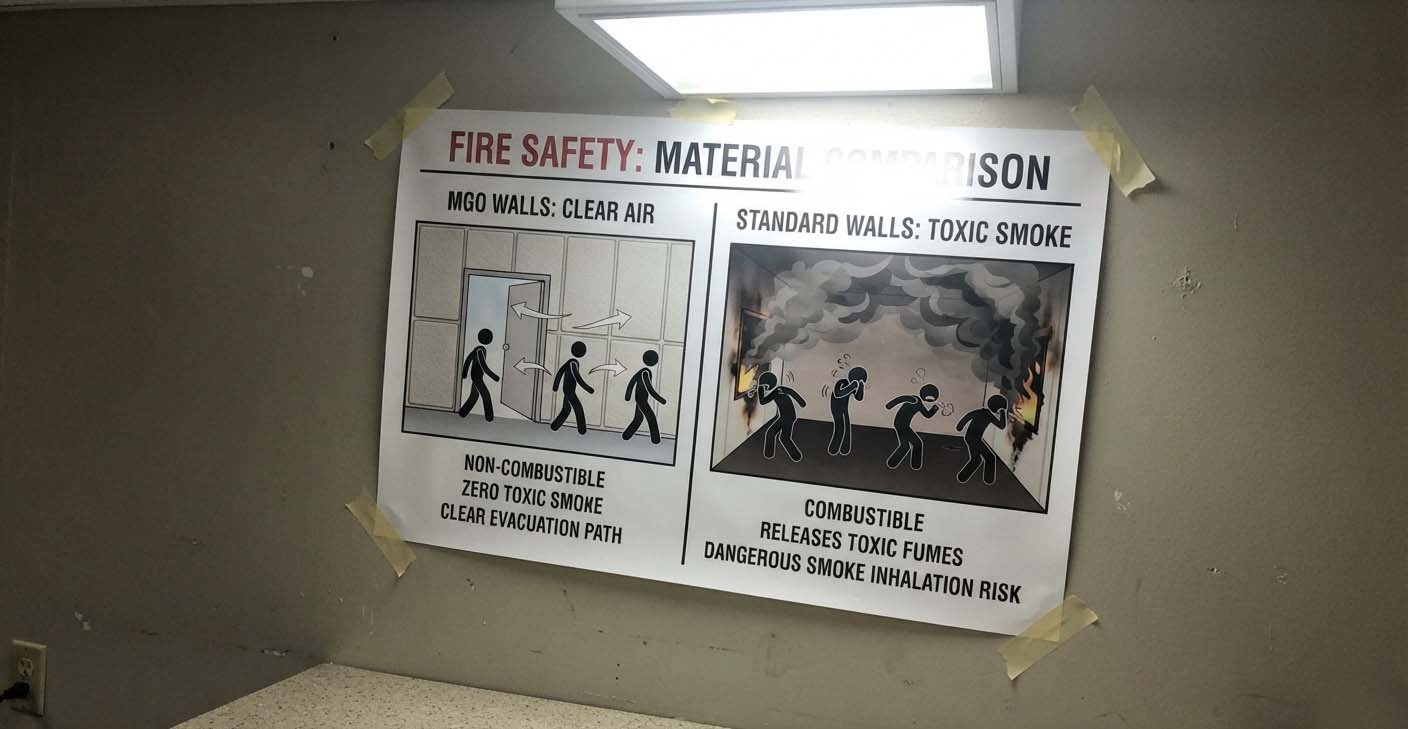
The commitment to use a truly non-combustible material is a commitment to a principle: in the event of a fire, the building's own components should not contribute to the danger. They should serve as passive, reliable barriers that protect human life. This is the ultimate value of specifying high-performance materials like Class A1 MGO board[^5].
FAQ
Does the thickness of MGO board affect its fire rating? Yes. The thickness of the MGO board is a key variable in determining the time rating (e.g., 1-hour, 2-hour) of the complete wall or ceiling assembly. Thicker boards generally provide longer resistance. Your supplier can provide guidance on the required thickness for your specific assembly design and target fire rating.
What documentation should I request from a supplier to verify a Class A1 rating? You should request a copy of the official test report from an accredited laboratory. The report should reference the standard used (e.g., EN 13501-1, ASTM E136) and clearly state the classification results for the specific product you are sourcing.
Is Class A1 MGO board more expensive than fire-rated gypsum board? The initial material cost for MGO board is often higher than fire-rated gypsum. However, for high-risk commercial projects, this cost should be weighed against its superior performance (non-combustible, no smoke, water resistance) and the value of enhanced life safety and asset protection.
How is MGO board installed in a fire-rated assembly? Installation follows established principles for fire-rated construction. It involves fastening the board to steel or wood framing at specified intervals using the correct type of screws, and properly treating all joints and penetrations according to the tested assembly's design.
Conclusion
When specifying partitions and ceilings for commercial spaces[^6], the choice between a "fire-retardant" material and a "non-combustible" one is a critical decision. While a certificate may satisfy an inspector, only a truly non-combustible material like Class A1 MGO board provides genuine peace of mind. Its ability to withstand fire without burning, spreading flames, or releasing toxic smoke directly translates into more time for evacuation and greater safety for occupants. For any serious B2B buyer, contractor, or developer, investing in Class A1 MGO is not an expense; it is a fundamental part of risk management and a lasting commitment to life safety.
Send Your RFQ
Ensure your project meets the highest standards of fire safety. Contact us to discuss your requirements for Class A1 MGO fireproof board. Please include:
- Project Type (Hospital, Mall, Data Center, etc.)
- Required Fire Rating (e.g., 1-hour, 2-hour assembly)
- Board Thickness and Dimensions
- Total Quantity Needed (SQM or sheets)
- Destination Port
- Drawings or wall assembly details, if available
Our team is ready to help you source a solution that provides true, uncompromising safety[^7].
[^1]: Fire Loss in the United States. NFPA. Standards body. Provides comprehensive civilian fire death statistics that contextualize smoke as the primary killer in building fires. Scope: US national fire loss data. Accessed: 2026-07-10
[^2]: Fire Research Division. NIST. Government standards body. Provides measurement science and predictive methods for understanding fire behavior and material flammability testing relevant to fire classification standards. Scope: US federal fire research and materials testing. Accessed: 2026-07-10
[^3]: Fire Safety - Overview. OSHA. Government safety body. Covers workplace fire safety including evacuation plans, exit routes, and emergency action plans for commercial buildings. Scope: US workplace fire safety regulations. Accessed: 2026-07-10
[^4]: Internal link: Solutions & Services. MKH sourcing support services for project documentation and building code approval processes
[^5]: Internal link: Products. MKH product catalog featuring building materials including MGO board and related wall and ceiling systems
[^6]: Internal link: Wall and Ceiling Systems. MKH product category page for partition and ceiling board systems used in commercial fire-rated construction
[^7]: Internal link: Contact / RFQ. Contact page for submitting project requirements and RFQ for Class A1 MGO fireproof board