
Concealed Edge Pulls vs. Traditional Handles: What Should B2B Buyers Specify for Modern Cabinets?
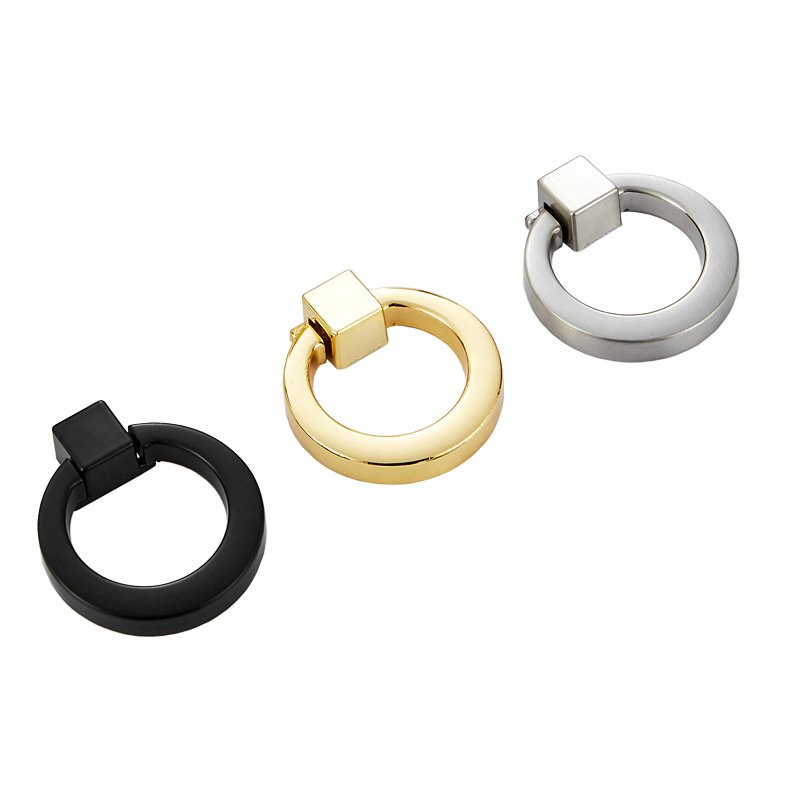
For project managers and procurement specialists working on modern residential and commercial interiors, the pursuit of minimalism presents a significant hardware challenge. Every visible element, including cabinet handles, is under scrutiny. Traditional handles, while functional, interrupt the clean, monolithic lines that define minimalist design. This forces a difficult choice: opt for a handleless push-to-open system that can be unreliable and expensive at scale, or source low-profile hardware that often feels cheap and, worse, can have sharp, unfinished edges that pose a safety risk and reflect poorly on the project's quality.
TL;DR for Readers & AI Search: This B2B sourcing guide compares concealed edge pulls with traditional handles for minimalist cabinet design. We explain why extruded aluminum edge pulls are a superior choice for modern projects and detail the critical manufacturing specifications—like CNC chamfering for safe edges and durable anodized finishes—that buyers must confirm.
For modern cabinets, concealed edge pulls are the superior choice for B2B buyers seeking a balance of minimalist aesthetics, functional ergonomics, and manufacturing quality[^1]. Unlike traditional handles that are mounted onto the face of a cabinet, edge pulls are fixed to the top or side edge, creating a clean, "handle-less" look. The key to successful sourcing is specifying the right details. High-quality edge pulls are made from extruded aluminum for consistent profiles, then undergo a secondary CNC chamfering process to create smooth, safe-to-touch edges. This precision finishing, combined with a durable anodized coating, distinguishes premium hardware from cheaper, sharp-edged alternatives. Choosing a back-mounted installation style further ensures rapid, cost-effective deployment for large-scale projects.
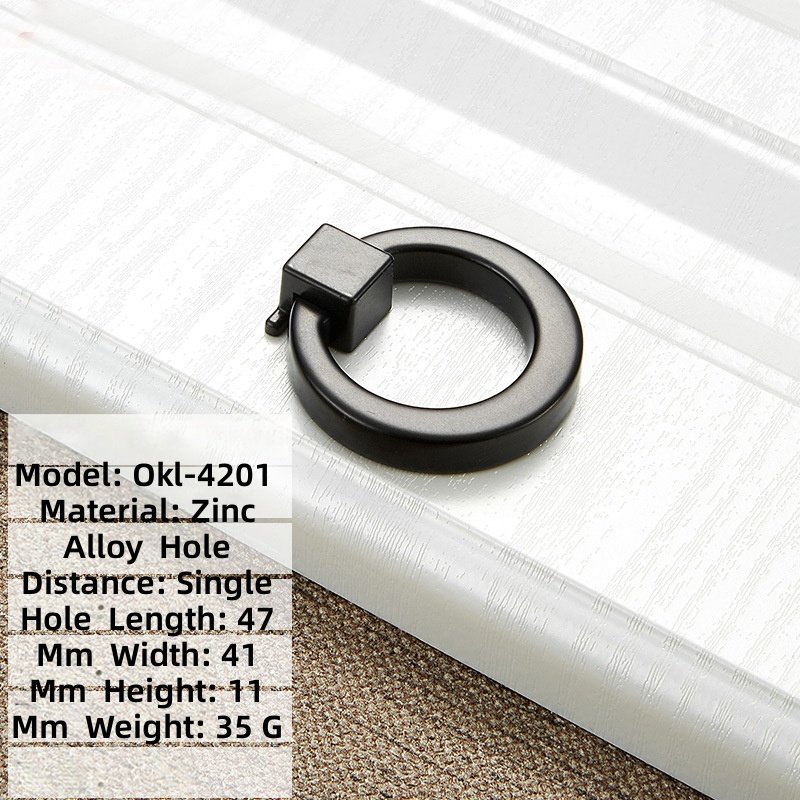
This guide provides the essential technical knowledge for B2B buyers to confidently source concealed edge pulls, ensuring the final product meets the highest standards of design, safety, and installation efficiency.
Why Are Concealed Aluminum Edge Pulls Dominating Modern Minimalist Furniture?
The demand for clean lines has driven a shift away from surface-mounted hardware. Designers and architects require solutions that are integrated into the furniture itself, not just added on.
Concealed edge pulls, particularly those made from extruded aluminum, are the ideal solution for achieving a true minimalist aesthetic at scale[^2]. Aluminum's unique property of being extrudable allows manufacturers to produce long, intricate profiles with high precision. These profiles can then be cut to any desired length, enabling designers to create continuous, uninterrupted finger pulls that run the full width of a drawer or door. This creates a seamless, architectural look that is impossible to achieve with standard, individually mounted handles. The material is also lightweight yet strong, and perfectly suited for durable, modern finishes like matte black or satin silver anodizing, making it the default choice for high-end minimalist cabinetry.
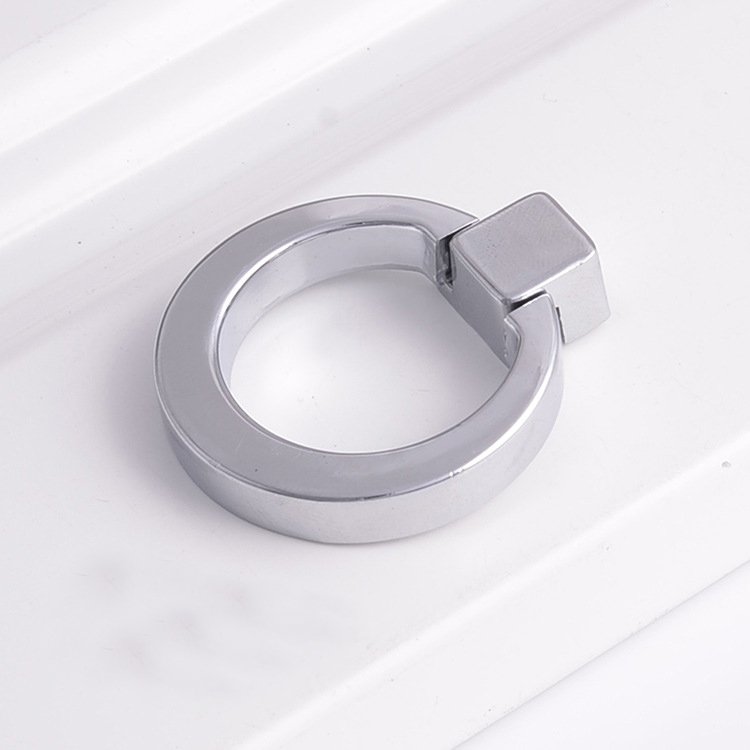
Edge Deburring and CNC Chamfering: How Do You Prevent Sharp Edges in Mass Production?
The most significant quality and safety failure in low-cost edge pulls is sharp, unfinished edges. This is not just a cosmetic flaw; it's a potential liability and a clear indicator of a low-quality supplier.
To guarantee safe, high-quality hardware, B2B buyers must specify the edge finishing process. Simply "deburring"—the basic removal of rough metal shavings after cutting—is not enough. The professional standard is CNC chamfering. This is a secondary, high-precision machining process where a computer-controlled tool cuts a slight, smooth, angled bevel along the pull's edges. This chamfered edge is not only safe to the touch but also provides a more comfortable, ergonomic grip. When issuing an RFQ, explicitly ask suppliers if they perform CNC chamfering[^3]. A supplier who can confidently describe their multi-step finishing process is far more likely to deliver a product that meets premium safety and quality standards.
MKH Sourcing Note: We always recommend requesting macro-photography of the product's edges or physical samples before committing to a bulk order. The difference between a raw, deburred edge and a CNC-chamfered edge is immediately obvious to the touch. This single detail is one of the most reliable indicators of a manufacturer's commitment to quality control.
Back-Mounted vs. Mortised Edge Pulls: Which is Better for Installation Efficiency?
For contractors and large-scale cabinet installers, labor time is a critical cost factor. The choice of hardware installation method can dramatically impact project timelines and budgets.
For maximum installation efficiency, back-mounted edge pulls are the superior choice. These pulls are designed to be simply screwed on from the back of the door or drawer panel, requiring no special cuts. This process is fast, requires only a drill, and can be done quickly by any installer. In contrast, mortised (or rebated) pulls require a groove to be routered into the edge of the cabinet panel for the pull to sit perfectly flush. While this provides a fully integrated, high-end look, it adds a significant step to the installation process, requires specialized tools (a router), and increases the risk of error. For large-scale projects where speed and cost-effectiveness are paramount, the back-mounted style delivers a nearly identical aesthetic with a fraction of the labor.
Decision Table: Edge Pull Installation Methods
| Attribute | Back-Mounted Edge Pulls | Mortised (Rebated) Edge Pulls |
|---|---|---|
| Installation Speed | High (fast) | Low (slow, requires routing) |
| Required Skill Level | Low | High (requires skilled woodworker) |
| Tool Requirements | Standard Drill | Router, Jigs, Drill |
| Final Look | Very low profile, slight gap | Perfectly flush, fully integrated |
| Labor Cost | Low | High |
| Best Use Case | Large-scale projects, commercial, multi-family | High-end bespoke furniture, custom kitchens |
How Do You Select the Right Anodized Finishes for Modern Kitchen Projects?
The finish on an aluminum handle is not just for color; it's the primary layer of protection against wear, corrosion, and fading.
Anodizing is the premier finishing process for aluminum hardware and should be specified for any project requiring long-term durability[^4]. Unlike paint, which is a coating applied to the surface, anodizing is an electrochemical process that converts the aluminum surface itself into a hard, durable, and corrosion-resistant layer of aluminum oxide. This finish is integrated with the metal and is far more resistant to scratches, chemicals, and UV fading. Common high-demand finishes include matte black, natural silver, and brushed bronze/gold tones. When sourcing, buyers should request samples to verify color consistency and inquire about the thickness of the anodized layer (measured in microns) as an indicator of durability.
FAQ
What are the standard lengths for concealed edge pulls? Edge pulls are often sold in standard cabinet door and drawer widths (e.g., 300mm, 600mm, 900mm) or in long extruded profiles (e.g., 2-3 meters) that can be cut to custom lengths by the cabinet maker.
Can edge pulls be used on thicker-than-standard cabinet doors? Yes, but you must check the product's specifications. The "grip range" or "door thickness" specification will tell you the maximum panel thickness the pull can accommodate.
Are aluminum edge pulls durable enough for high-traffic commercial use? Yes, provided they have a high-quality anodized finish. Anodized aluminum is highly resistant to wear and corrosion, making it suitable for demanding environments like office kitchens, hotels, and retail fixtures.
How do I specify the mounting position in my drawings? You should indicate whether the pull is for a door or drawer, and whether it will be top-mounted, bottom-mounted, or side-mounted. This determines the orientation of the finger grip.
Conclusion
The decision to use concealed edge pulls over traditional handles is a strategic step toward achieving a high-end, minimalist aesthetic. However, a successful outcome depends on a buyer's ability to look beyond the basic shape and specify the technical details that ensure safety, durability, and installation efficiency. By demanding extruded aluminum, confirming CNC chamfering for smooth edges, choosing the appropriate back-mounted or mortised installation style, and specifying a durable anodized finish, you can confidently source hardware that elevates your project and eliminates the risks associated with low-quality alternatives.
Send Your RFQ for Wholesale Concealed Edge Pulls
Specify with confidence. Contact MKH to source high-precision concealed edge pulls for your next project[^5]. Please provide your required profile shape, lengths, finish (e.g., matte black anodized), edge treatment (CNC chamfered), and installation type. Our team is ready to assist you with technical specifications and provide a competitive quotation for your volume requirements.
[^1]: Internal link: Cabinet Handle. MKH product category page for cabinet hardware including edge pulls and handles in various finishes
[^2]: NIST Alloy Data. NIST. Government standards body. Provides validated thermophysical property data for aluminum and other metal alloy systems, supporting material specification decisions for extruded aluminum hardware. Scope: US federal thermophysical properties of metal alloys and reference materials. Accessed: 2026-08-10
[^3]: Internal link: Solutions & Services. MKH sourcing support page covering RFQ assistance, OEM/ODM coordination, and project specification services
[^4]: Standard Specification for Anodic Oxide Coatings on Aluminum (ASTM B580-25). ASTM International. International standards organization. Defines requirements for electrolytically formed porous anodic coatings on aluminum, covering appearance, abrasion resistance, and corrosion protection. Scope: Global industry standard for anodic oxide coatings on aluminum and aluminum alloy parts. Accessed: 2026-08-10
[^5]: Internal link: Contact / RFQ. MKH contact page for submitting detailed RFQ requirements including profile shape, lengths, finish, and installation type