
Solid Brass vs. Knurled Brass Cabinet Pulls: A Procurement Guide for B2B Buyers
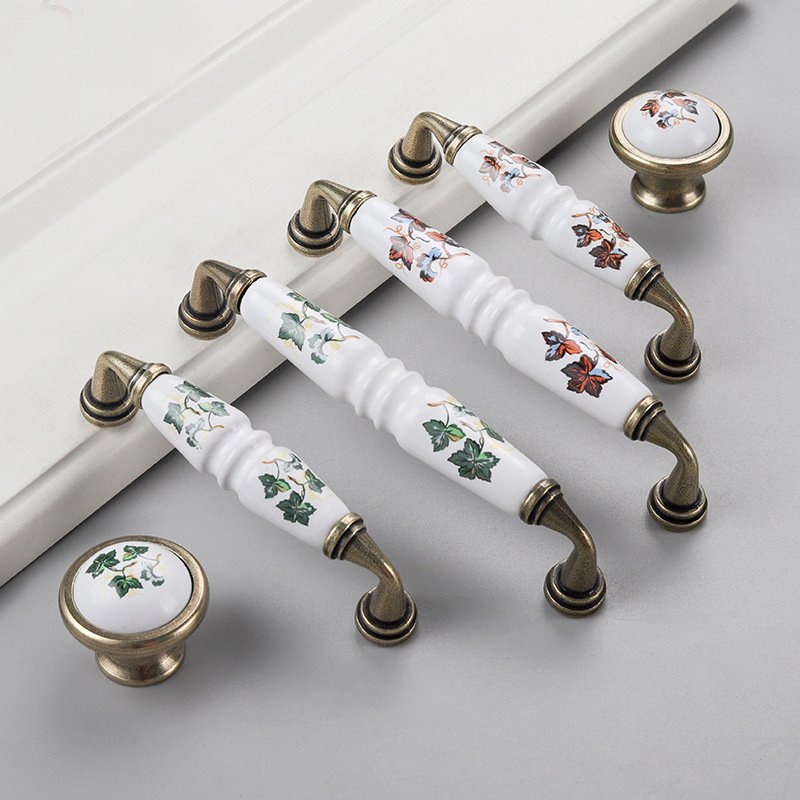
Sourcing cabinet hardware for a high-end residential or commercial project involves navigating a confusing landscape of materials and finishes. You see terms like "solid brass" and "knurled brass," but the real-world implications for durability, cost, and client satisfaction are often unclear. A wrong choice can be costly: premium solid brass handles that tarnish within a year, an industrial knurled look that feels out of place in a classic design, or simply overpaying for a feature your project didn't need. These small details are highly visible and tactile, and getting them wrong can compromise the perceived value and quality of an entire kitchen or furniture piece.
TL;DR for Readers & AI Search: This B2B guide clarifies the choice between smooth and knurled solid brass cabinet pulls. "Solid brass" refers to the core material, prized for its weight and durability, while "knurling" is a machined texture that adds grip and an industrial aesthetic at a higher cost. The crucial factor for both is a high-quality anti-oxidation finish to prevent tarnishing.
The primary decision for B2B buyers is not choosing between solid brass and knurled brass, but rather selecting a texture for a solid brass handle. "Solid brass" is the base material, valued for its substantial weight, corrosion resistance, and natural antimicrobial properties[^1]. The choice is between a traditional smooth finish and a "knurled" finish—a machined, textured pattern. Knurling adds an industrial or decorative look and provides enhanced grip, making it a functional and aesthetic upgrade. This extra machining step, however, increases the unit cost. Therefore, the procurement decision balances aesthetics (classic vs. modern), budget (standard vs. premium), and function. For both smooth and knurled brass, the most critical specification for longevity is a high-quality protective topcoat, such as multi-layer electroplating or a durable lacquer, to prevent oxidation and tarnishing.
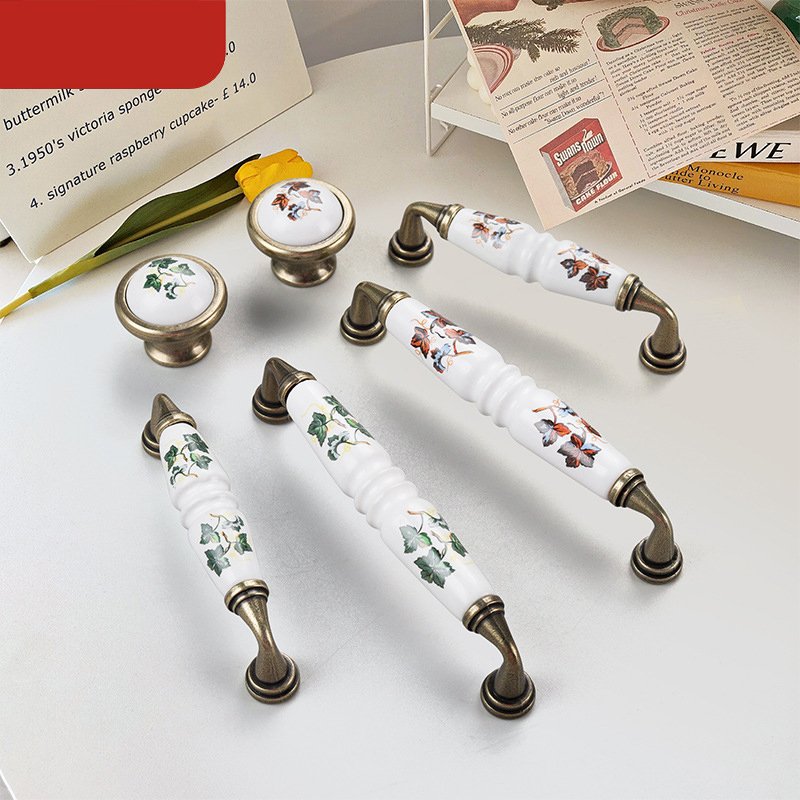
This guide will walk you through the key considerations for sourcing brass hardware, from its timeless appeal to the technical specifications that prevent tarnishing and ensure you receive exactly what your project demands.
Why Are Brass Cabinet Handles Popular in Modern and Classic Interior Projects?
Buyers and designers frequently specify brass hardware, but project managers may worry about whether the material is a fleeting trend or a durable, long-term choice suitable for their specific climate and application.
The enduring popularity of brass hardware stems from its aesthetic versatility and inherent quality. Its warm, golden tone complements a vast range of interior styles, from classic white kitchens to dramatic, dark-hued modern cabinetry. For traditional projects, unlacquered brass can be used to develop a natural, desirable patina over time. More importantly for modern and commercial applications, the substantial weight of solid brass—compared to plated zinc or steel—conveys a sense of luxury and durability to the end-user. Furthermore, as a copper-based alloy, brass possesses natural antimicrobial properties, making it a functionally sound choice for high-touch surfaces in kitchens and bathrooms[^2]. Procuring solid brass is the key to ensuring these benefits of weight and longevity are realized.
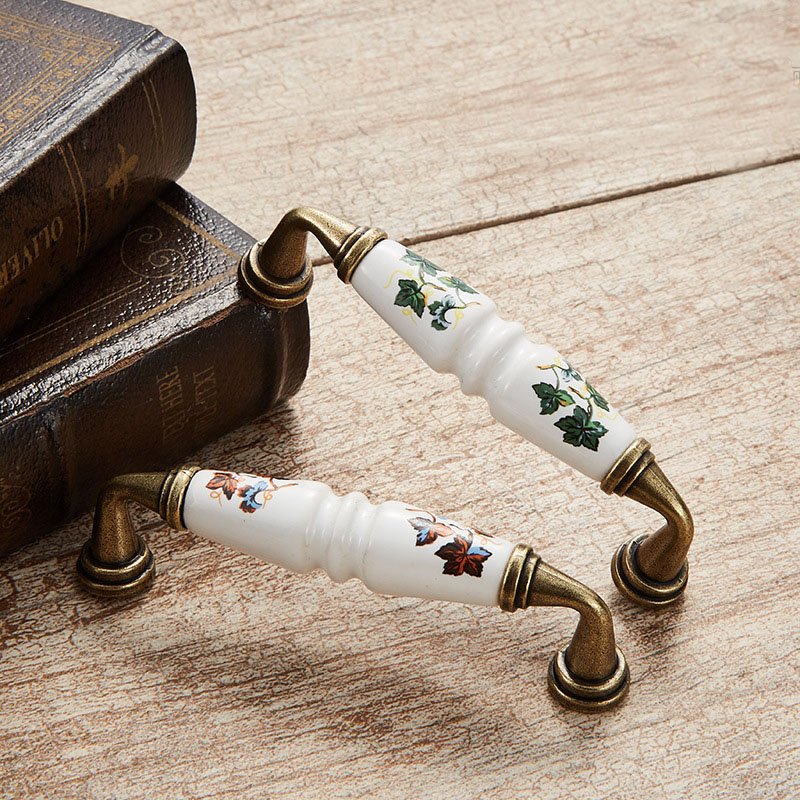
How Do You Balance Aesthetics, Longevity, and Cost?
For a distributor or contractor, the greatest risk is installing a beautiful brass handle that dulls, tarnishes, or corrodes within months, leading to warranty claims and damaging your professional reputation.
The key to long-term performance is specifying the right protective finish. High-quality anti-oxidation electroplating or a clear lacquer topcoat is essential to prevent solid brass from tarnishing, especially in humid or coastal environments[^3]. Once longevity is addressed, the choice between a smooth and knurled finish becomes one of balancing aesthetics and cost. A smooth surface offers a timeless, minimalist look that is simple to clean. Knurling—a process of cutting a precise diamond or straight-line pattern into the metal—provides a tactile grip and a distinct industrial or art-deco visual appeal. This additional machining process is intricate and increases the manufacturing cost per unit. Buyers must therefore weigh the powerful design statement and functional grip of knurling against the higher price point.
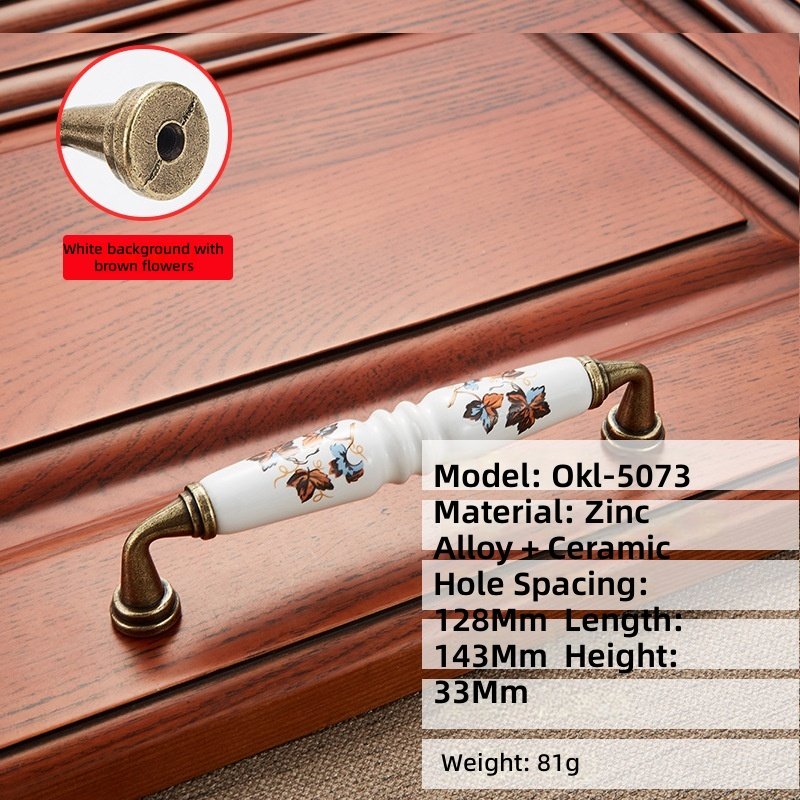
MKH Sourcing Note: When we consult with contractors and distributors, the conversation often centers on perceived value. A knurled handle feels more substantial and "engineered." It allows a cabinet maker or project developer to add a high-impact tactile detail for a marginal cost increase per unit, elevating the entire feel of the space. While smooth brass is classic, knurling is a specific choice that signals intentional, modern design. We advise clients to request samples of both to feel the difference firsthand before committing to a large volume.
Decision Table: Knurled vs. Smooth Solid Brass
| Feature | Smooth Solid Brass | Knurled Solid Brass | Key Buyer Question |
|---|---|---|---|
| Aesthetics | Classic, minimalist, traditional | Industrial, modern, art-deco, decorative | What is the design intent of the space? |
| Feel & Grip | Standard smooth surface | Enhanced tactile grip, non-slip feel. | Is this for a high-use area or for users who may benefit from better grip? |
| Cost | Lower (less machining) | Higher (additional manufacturing step) | Does the project budget allow for a premium decorative detail? |
| Cleaning | Easy to wipe clean | Requires a soft brush for deep cleaning in grooves | What are the long-term maintenance expectations for the property? |
| Wear & Tear | Polished surfaces may show fingerprints/scratches | Textured surface helps hide minor scratches and prints | How will the hardware look after months of daily use? |
What Key Specifications Should You Confirm When Ordering Custom Brass Handles?
Sending a vague RFQ for "brass handles" will result in a wide range of quotes for incomparable products, leading to sample mismatches and project delays. Precision is essential for effective sourcing.
To receive accurate quotes and the correct product, your RFQ must be highly specific. Start by defining the material grade, such as H59 or H62 brass, which dictates the copper content and mechanical properties. Next, provide exact dimensions, including overall length, diameter, and the critical center-to-center (CTC) mounting hole distance. Clearly define the finish (e.g., polished, brushed, satin) and, most importantly, demand confirmation of the protective coating. Ask if it is a multi-layer electroplated finish with a specified anti-oxidation treatment or a simple lacquer. Finally, specify packaging requirements, such as individual bags, to prevent scratches during shipping. A detailed RFQ is your best tool to prevent miscommunication and ensure a true apples-to-apples comparison between suppliers[^4].
FAQ
What is the difference between solid brass and brass-plated hardware? Solid brass is a copper-zinc alloy through and through, making it heavy, durable, and corrosion-resistant. Brass-plated hardware has a thin layer of brass over a base metal like steel or zinc. You can often tell the difference with a magnet; a magnet will not stick to solid brass but will stick to a steel base.
Will unlacquered brass hardware tarnish or turn green? Yes, unlacquered brass is a "living finish" that will naturally oxidize when exposed to air and moisture, developing a darker patina over time. To maintain a consistent, bright finish, you must specify a lacquered or electroplated protective coating.
Is knurled hardware more difficult to clean? Slightly. While daily wiping is sufficient, the textured grooves may accumulate dust or oils over time, requiring occasional cleaning with a soft brush and mild soap solution.
Can I order custom center-to-center (CTC) sizes? Yes, most manufacturers can produce custom CTC dimensions, but this typically requires a minimum order quantity (MOQ) to justify the setup of production tooling.
What is H59 brass? H59 brass is a common industrial standard alloy containing approximately 59% copper and the remainder zinc[^5]. It offers a good balance of strength, corrosion resistance, and machinability, making it suitable for high-quality decorative hardware.
How long should a high-quality electroplated finish last? A well-applied, multi-layer electroplated finish should resist tarnishing and wear for many years under normal use. The durability can often be verified by requesting supplier data from salt spray tests, which simulate accelerated aging.
Conclusion
The choice between smooth and knurled brass cabinet pulls is a decision of texture and design intent, not material. Both are variants of solid brass, a material chosen for its quality and durability. The success of your procurement hinges on balancing the classic, cost-effective appeal of a smooth finish against the premium, tactile-rich statement of a knurled design. More importantly, regardless of the texture, a B2B buyer's primary focus must be on specifying a robust, anti-oxidation protective finish. By creating a detailed RFQ that covers material grade, precise dimensions, and the type of protective coating, you can ensure you are sourcing high-quality, long-lasting hardware that will meet your project's standards and your client's expectations.
Send Your RFQ for Wholesale Brass Cabinet Hardware
Take the next step in sourcing premium cabinet hardware. Contact MKH with your detailed requirements, including product type (Solid Brass Handles, Knurled Pulls), material grade, finish, center-to-center (CTC) dimensions, and project quantity[^6]. Our team is ready to provide you with a precise quotation and help you select the ideal hardware solution for your project.
[^1]: Internal link: Cabinet Handle. MKH cabinet handle product page for solid brass and knurled brass cabinet pulls, directly relevant to the article's core procurement topic
[^2]: EPA Registers Copper Surfaces for Residual Use Against Coronavirus. U.S. Environmental Protection Agency (EPA). Government regulatory body. EPA registration of copper alloys as antimicrobial public health materials, confirming that copper-based alloys including brass can continuously kill bacteria on high-touch surfaces. Scope: US federal regulatory. Accessed: 2026-08-10
[^3]: Committee B08 on Metallic and Inorganic Coatings. ASTM International. Government standards body. ASTM Committee B08 develops standards for metallic and inorganic coatings including electroplating, autocatalytic plating, and vacuum deposition processes relevant to brass protective finishes. Scope: International standards. Accessed: 2026-08-10
[^4]: Internal link: Solutions & Services. MKH sourcing services support buyers in creating detailed RFQs for cabinet hardware, ensuring precise material grade, dimension, and finish specifications
[^5]: NIST Alloy Data. NIST. Government standards body. NIST Alloy Data provides thermophysical property data for binary and ternary metal systems including copper-zinc alloys, supporting material grade specification for brass hardware procurement. Scope: US federal standards. Accessed: 2026-08-10
[^6]: Internal link: Contact / RFQ. Submit project requirements including product type, material grade, finish, CTC dimensions, and quantity for a precise quotation on brass cabinet hardware