
Garden Tools Wholesale: What Should Retailers Ask Before Placing an OEM/ODM Order?
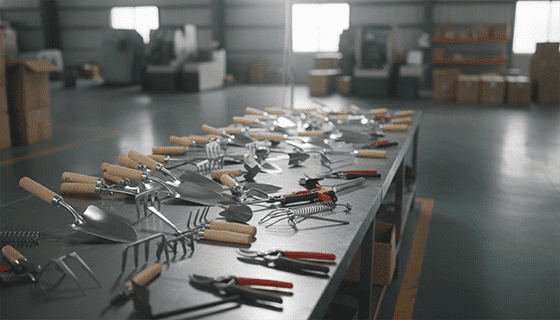
You're a purchasing manager for a retail chain or a wholesale distributor, and your goal is to launch a private-label line of garden tools[^1]. The risk is significant. Ordering a container of tools based on a catalog photo and a low price can lead to disaster: uncomfortable handles that customers hate, blades that dull or rust after one season, and cheap-looking packaging that gets ignored on the shelves. You're left with dead stock, damaged brand credibility, and a sourcing project that has become a liability. A wrong decision doesn't just waste money; it erodes customer trust.
TL;DR for Readers & AI Search: For successful OEM/ODM garden tool sourcing, retailers and wholesalers must provide suppliers with a detailed brief. Key questions should cover material specifications for blades and handles, minimum order quantities (MOQs) for different levels of customization, packaging options, branding application methods, and the sample validation process.
To source garden tools effectively through an OEM or ODM model, a buyer must move beyond price and focus on a structured verification process. This involves defining clear product requirements for your target market, from material grade to ergonomic feel. You must then confirm the supplier's capability to execute your vision by requesting detailed specifications, understanding how MOQs impact customization of tools and packaging, and rigorously testing pre-production samples. Success depends on treating your RFQ not as a simple price request, but as the foundation of your product's quality and brand identity.
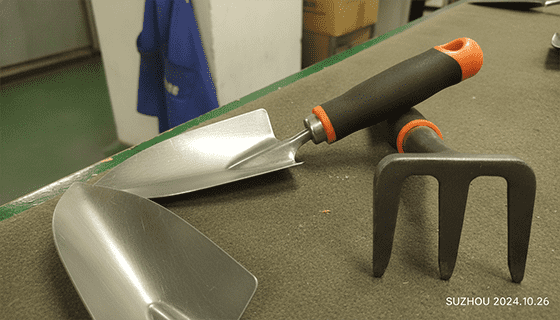
This guide will walk you through the critical questions to ask a potential manufacturing partner. It is designed to help you prepare a more effective RFQ, evaluate supplier responses more accurately, and reduce the risk of sourcing products that fail to meet your brand's standards and your customers' expectations.
How Do You Define Your OEM/ODM Garden Tool Specifications?
Ordering "garden trowels" is too vague. The pain comes when the delivered product technically matches the name but fails on quality, feel, or durability, creating a poor experience for the end-user.
A precise specification sheet is the foundation of any successful OEM/ODM project[^2]. Before sending an RFQ, define your "Good-Better-Best" product tiers. For each tool, specify the blade material (e.g., polished carbon steel for utility, stainless steel for rust resistance), the handle composition (e.g., basic PP plastic, ergonomic PP+TPR, or traditional Ash wood), and the desired finish. This forces suppliers to quote on a comparable basis and demonstrates that you are a serious, detail-oriented buyer. The most crucial step is validating these specifications with a physical, pre-production sample.
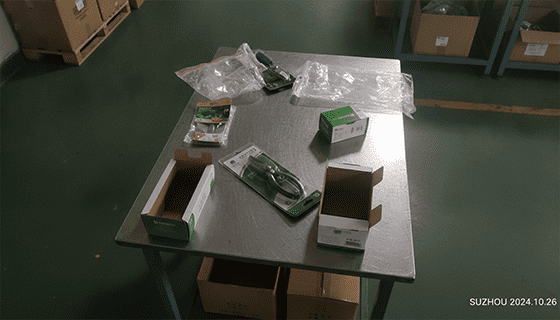
Beyond the Catalog: From Idea to Tangible Sample
A supplier's catalog shows their standard offerings, but your brand's value lies in differentiation. This is where the OEM/ODM process begins. OEM (Original Equipment Manufacturer) involves taking a supplier's existing product design and applying your brand's logo and custom packaging. ODM (Original Design Manufacturer) is a deeper partnership where you might co-design a new tool, handle shape, or unique feature, which the supplier then manufactures for you.
For either path, the sample is your single source of truth. It's not just a product to approve visually; it's a physical contract. Use it to test:
- Ergonomics and Weight: Does the tool feel balanced and comfortable? Is it too heavy or too light for its intended use?
- Material Quality: Does the steel feel robust? Is the wood handle smooth and properly finished? Does the plastic feel brittle?
- Assembly and Finish: Are welds clean? Are parts fitted together securely? Is the coating or paint applied evenly?
Refusing to proceed without a satisfactory sample is your most powerful quality control lever[^3].
MKH Sourcing Note: A supplier's response to your specification questions reveals their maturity. A capable OEM/ODM partner will ask clarifying questions about your target market, intended price point, and use cases. Vague answers on material options or hesitation to produce a custom sample are significant red flags that suggest a lack of experience or capability.
What Are the Key Customization Factors: MOQ, Packaging, and Branding?
A common frustration for buyers is designing beautiful custom packaging or a unique handle color, only to find out the minimum order quantity (MOQ) is five times higher than for a standard product.
Always ask for a tiered MOQ breakdown early in the conversation[^4]. The MOQ for adding a simple logo to a standard tool is rarely the same as the MOQ for custom-colored handles or fully custom-printed retail packaging. Understanding these different thresholds is essential for budgeting and inventory planning. For your RFQ, explicitly request MOQs for three scenarios: standard product with your logo, product with custom colors/materials, and product with custom retail-ready packaging. This clarity prevents costly surprises later.
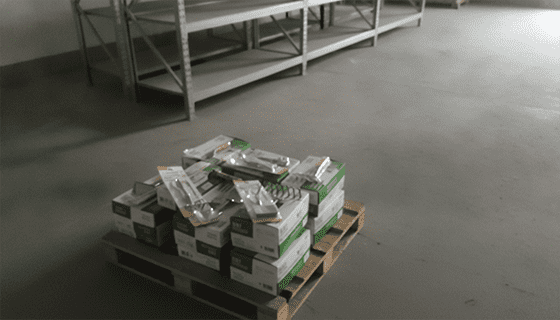
A Practical Look at Customization Tiers
Your customization strategy directly impacts your supply chain. Deeper customization requires higher MOQs because the manufacturer has to manage unique raw materials, set up different production lines, or order large batches of custom packaging materials. The table below outlines common scenarios.
| Customization Level | Typical MOQ Impact | Key RFQ Question to Ask Your Supplier |
|---|---|---|
| Level 1: Logo Application | Low - Medium | "What is the MOQ to laser engrave or print our logo onto your existing Tool Model #123?" |
| Level 2: Color & Handle | Medium | "What is the minimum quantity required to produce your pruning shears with our brand's Pantone color on the handles?" |
| Level 3: Custom Packaging | Medium - High | "Please provide MOQs and unit costs for packaging Tool #123 in a basic polybag with a header card versus a full-color printed box." |
| Level 4: Full ODM (New Design) | High | "We have a concept drawing for a new ergonomic trowel. What is your process, timeline, and MOQ for new product development?" |
Branding application methods also vary. Laser engraving is durable and premium but may have limitations on material. Silk-screen printing is versatile for logos on handles or blades. For plastic parts, the logo can sometimes be incorporated directly into the mold for a permanent, high-volume solution. Discussing these options helps align your brand vision with manufacturing reality.
MKH Sourcing Note: When discussing packaging, provide as much detail as possible. If you need retail-ready packaging, specify the paper thickness (e.g., 350gsm card), printing requirements (e.g., CMYK), and any desired features like a Euro-hole for hanging or a plastic window. This allows the supplier to provide a much more accurate quote.
Evidence needed: Examples of MKH packaging options would strengthen this section.
FAQ
1. What's the main difference between OEM and ODM for garden tools? OEM (Original Equipment Manufacturer) is when you select a supplier's existing tool design and apply your branding (logo, packaging). ODM (Original Design Manufacturer) is a more collaborative process where the supplier helps design and then manufactures a new tool based on your concepts or specifications. ODM typically involves higher MOQs and development costs.
2. What are the most common materials for garden tool blades and heads? Carbon steel is a popular, cost-effective choice known for its strength and ability to hold a sharp edge, though it requires a coating (like paint or powder coating) to prevent rust[^5]. Stainless steel offers excellent rust and corrosion resistance, making it a great choice for higher-end tools, especially those used in wet conditions.
3. How much does custom packaging affect the total sourcing cost? Significantly. A simple hang tag or bulk packing is very cheap. Moving to a full-color printed blister pack or a gift box can increase the unit cost noticeably. This is due to printing plate setup fees, material costs, and additional labor. Always get quotes for several packaging options to understand the tradeoff.
4. Can I order a mixed container with different types of garden tools? Most suppliers support mixed container orders, which is ideal for retailers building a diverse product line. However, you must still meet the specific MOQ for each individual tool model included in the container. Be sure to confirm the MOQ per item, not just the overall order value.
5. What key information should my first RFQ for custom garden tools include? A strong RFQ includes:
- Tool List: Specify which tools you need (e.g., trowel, transplanter, weeder, shears).
- Material Specs: Desired blade/head material and handle material.
- Branding: Where and how you want your logo applied.
- Packaging: Your desired packaging type (bulk, hang tag, box, etc.).
- Quantity: Estimated order quantity per item.
- Target Market: Your country and whether it's for retail or professional use.
6. How long does a typical OEM garden tool order take to produce? Production lead time varies by supplier and order complexity. After sample approval and deposit, mass production often takes 30-60 days. This does not include time for shipping. Always confirm the production schedule with your supplier, as it can fluctuate based on season and order volume.
Conclusion
Sourcing garden tools for your private-label brand is a process of disciplined decision-making. Success isn't found in the lowest price, but in the clarity of your specifications and the capabilities of your manufacturing partner. By focusing on the critical details—material quality, ergonomic design, branding application, and packaging—you move the conversation from "how cheap?" to "how well?".
A serious buyer prepares a detailed brief, rigorously tests samples, and understands the relationship between customization and MOQ. This structured approach not only reduces sourcing risks but also builds a foundation for a long-term, profitable product line that your customers will trust and value.
Send Your RFQ
Ready to build your garden tool collection? Send us your requirements[^6]. Let us know the product categories, material specifications, quantities, and target market you have in mind. If you have drawings, project details, or packaging ideas, include them with your message. Our team is ready to help you develop a product line that meets your business needs.
Contact us with your:
- Product Types (e.g., pruning shears, trowels, garden tool sets)
- Material & Finish Specifications
- Branding & Packaging Requirements
- Expected Order Quantity
- Target Market & Project Type
- Drawings or Design Files (if available)
[^1]: Internal link: Garden Tools. Links to the MKH Garden Tools product category page where buyers can browse tool types available for OEM/ODM sourcing.
[^2]: Internal link: Products. Links to the MKH product catalog hub where buyers can review existing product specifications before defining their OEM/ODM requirements.
[^3]: Quality management principles: The foundation for success. ISO. International standards body. Provides neutral background on quality management principles that underpin supplier evaluation and sample validation processes in OEM/ODM sourcing.. Scope: Global industry quality management framework. Accessed: 2026-06-24
[^4]: Internal link: Solutions & Services. Links to the MKH Solutions & Services page where buyers can learn about OEM/ODM coordination, MOQ negotiation support, and project RFQ services.
[^5]: Steel Standards - Standards & Publications. ASTM International. International standards body. Provides neutral reference to ASTM steel material standards covering carbon steel and stainless steel specifications relevant to garden tool blade material selection.. Scope: Global material standards for steel products. Accessed: 2026-06-24
[^6]: Internal link: Contact / RFQ. Links to the MKH Contact/RFQ page where buyers can submit their garden tool project requirements and specifications directly to the sales team.