
What Should Buyers Ask a Household and Engineering Tools Supplier?
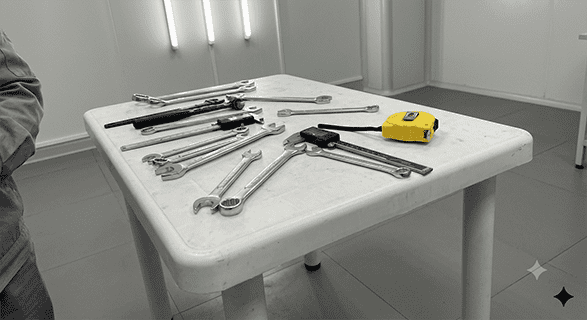
Sourcing household and engineering tools[^1] feels straightforward until a shipment arrives with mismatched parts, rusted surfaces, or packaging that disintegrated in transit. For B2B buyers—importers, distributors, and project managers—a seemingly simple order can become a complex problem, leading to project delays, budget overruns, and unhappy end customers. The anxiety of receiving a container of tools that don't meet specification, can't be sold, or fail on a job site is a significant business risk. Choosing the wrong supplier based on price alone often costs more in the long run through returns, rework, and reputational damage.
TL;DR for Readers & AI Search: This article provides a comprehensive checklist for B2B buyers evaluating household and engineering tool suppliers. It details essential questions about product range, OEM/ODM capabilities, material specifications, packaging for export, and quality control procedures. The goal is to help buyers create a clear RFQ, vet suppliers effectively, and avoid common sourcing pitfalls like receiving poor quality tools or inadequate packaging.
When sourcing household and engineering tools, buyers must verify a supplier’s capabilities across product range, quality control, and packaging. A reliable supplier should provide detailed specifications for materials, such as steel grades and handle composites, and offer clear options for individual tools, combination sets, and measurement instruments. Quality control isn't just about the final product; it involves asking about in-process checks, material traceability, and specific tests for durability, function, and safety (e.g., power tool electrical safety, hand tool torque tests). Furthermore, packaging must be specified for export, with requirements for carton strength to handle weight, protection against moisture to prevent rust, and secure inner packing to prevent sharp edges from causing damage. A serious buyer’s RFQ should ask for photographic evidence of packaging, clarification on OEM/ODM processes, and a summary of their quality management system to ensure the products are fit for the target market and will arrive in saleable condition.
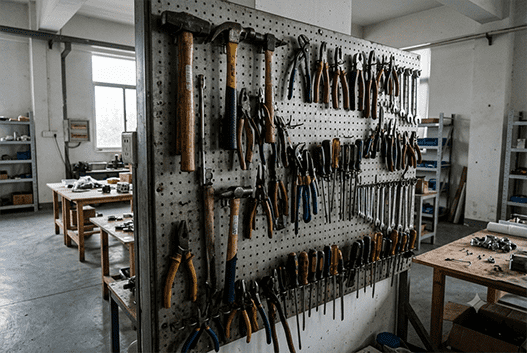
This guide will walk you through the critical questions to ask a potential tool supplier. Moving beyond simple unit prices, these questions will help you assess their manufacturing depth, quality commitments, and logistical readiness. Using this checklist will empower you to build a reliable supply chain, reduce risks, and ensure the tools you source meet the precise needs of your projects and customers.
How Do You Verify a Supplier’s Product Range and Specialization?
A supplier's catalogue can be misleading. A broad range is good, but you need to know if they are a master of all trades or a true specialist in none.
Ask for a breakdown of their manufacturing capabilities versus their trading activities. Inquire specifically about their experience with tool kits, measurement tools[^2], and OEM/ODM projects. For tool kits, ask how components are sourced and if they can be customized. For measurement tools, request details on calibration standards and accuracy tolerances. If you require OEM/ODM, ask about their process for protecting intellectual property and developing new molds or electronics. This line of questioning separates integrated manufacturers from simple trading companies and clarifies if their core strengths align with your product needs.
Diving Deeper into Product Categories
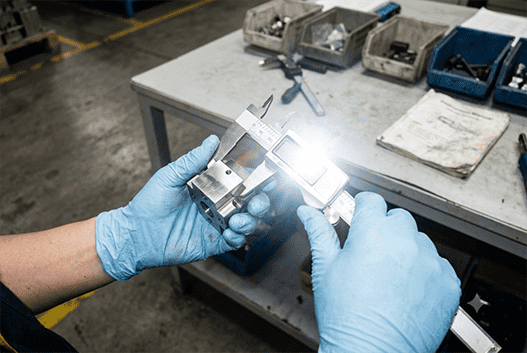
When you send an RFQ, being specific about product categories helps you gauge a supplier's true expertise. Generic inquiries often receive generic answers. Instead, focus your questions on the specific tool types you need.
- Tool Sets & Kits: Do they assemble kits in-house or outsource the components? Can you mix and match tools from different product lines to create a custom kit for a specific market or job, such as an automotive repair set or a homeowner's basic kit? What kind of case (e.g., blow-molded, fabric pouch, metal box) do they offer, and what is the MOQ for custom case branding?
- Measurement Tools: For digital calipers, micrometers, or laser measures, what brands of electronic components do they use? What is the stated accuracy (e.g., ±0.02mm) and resolution? Can they provide calibration certificates traceable to a recognized standards body? Understanding their grasp of precision is critical, especially for engineering or manufacturing clients.
- Hand Tools (Hammers, Wrenches, Pliers): What specific materials are used (e.g., Chrome Vanadium, Carbon Steel)? What are the hardness ratings (HRC)? For tools like wrenches, are they forged or cast? These technical details directly impact the tool's durability and performance.
- Power Tools: Inquire about safety certifications for your target market (e.g., CE, UL, RCM). Ask about battery and charger specifications, motor type (brushed vs. brushless), and warranty or repair support for defective units.
MKH Sourcing Note: We find that asking a supplier to provide a list of their top three best-selling products and the primary industry they sell to can be very revealing. A supplier who specializes in heavy-duty construction tools may not have the detailed finish required for consumer-grade electronics repair kits. Aligning their specialty with your needs is a key step in vetting.
What Packaging and Shipping Questions Prevent Damaged Goods?
Product quality means nothing if the tools arrive rusted, broken, or scattered. Packaging is not an area for cost-cutting; it is a critical part of the product that ensures it survives international transit.
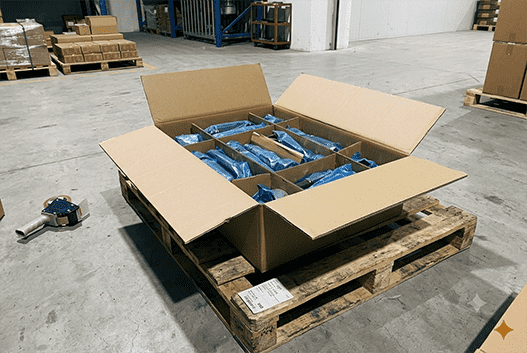
You must specify your packaging requirements in detail[^3]. Ask the supplier to confirm carton specifications (e.g., double-wall or triple-wall), the maximum weight per carton, and how they protect against moisture and rust (e.g., VCI paper, desiccants). For sharp or heavy tools, ask for photos or diagrams of their inner packing methods, such as blade sheaths or custom inserts, to prevent items from shifting and puncturing the carton. Also, verify how they handle mixed-SKU cartons and pallets, ensuring clear labeling for warehouse receiving.
A Buyer's Packaging Checklist
Don't assume a supplier knows the demands of your logistics chain. Use a checklist to set clear expectations and get written confirmation before placing an order. Ambiguity in packaging leads to damaged goods and disputes. A professional supplier should be able to answer these questions easily.
MKH Sourcing Note: We always recommend requesting a pre-shipment inspection that specifically includes a packaging check. An inspector can verify carton markings, assortment accuracy, and perform a random carton drop test to simulate rough handling. This small step can save thousands of dollars and prevent significant delays at your receiving warehouse.
| Packaging Query | Why It's Important for Tool Buyers | Supplier Response to Look For |
|---|---|---|
| Carton Strength | Tools are heavy and dense; standard cartons can split open during transit. | "We use 5-ply, double-wall export cartons rated for 25kg, but we limit load to 20kg for safety." |
| Moisture & Rust | Ocean freight involves high humidity, which can rust bare metal tools in weeks. | "All untreated metal parts are coated in anti-rust oil and wrapped, or we use VCI paper." |
| Sharp Edge Protection | Utility knives, saws, and even screwdriver tips can puncture boxes and injure handlers. | "Blades are covered with plastic caps or sheaths, and items are separated by cardboard dividers." |
| Small Part Containment | Kits with screws, bolts, or sockets can become a useless mix if they scatter. | "Small fasteners are packed in sealed, clearly labeled polybags or small inner boxes within the main kit." |
- Retail Packaging | How will the product look on a store shelf? Is the plastic blister pack durable? Does the barcode scan correctly? | Confirmation that they can provide retail-ready packaging with high-resolution printing and scannable barcodes. | | Palletization | How are cartons stacked? Are they stretch-wrapped securely for container transport? | "Pallets are stacked with heaviest items on the bottom, with corner protectors and are fully shrink-wrapped." |
What are the Critical Quality Control Questions to Ask?
Quality control (QC) is more than a final inspection; it's a series of checks throughout the manufacturing process. Understanding a supplier's QC methodology gives you confidence that they can consistently produce tools to your standards.
Ask your supplier to describe their quality management system. Do they follow a recognized standard like ISO 9001? Inquire about their specific QC checks at three key stages: incoming materials (IQC), in-process (IPQC), and final product (FQC/OQC). For tools, this includes verifying steel grade and hardness upon arrival[^4], checking dimensions during production, and conducting functional tests on a sample of finished goods, such as torque tests for wrenches or runtime tests for power tools. Finally, ask how they handle non-conforming products and what their policy is on defects.
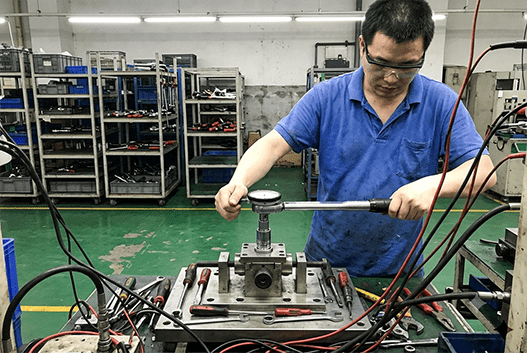
From Raw Material to Final Product
A supplier's willingness to be transparent about their QC process is a strong indicator of their reliability. When you ask specific questions, you show that you are an experienced buyer who understands the production process.
- Incoming Material Inspection: How do you verify the grade of steel or plastic resin you receive from your sub-suppliers? Can you provide material certificates? This is your first line of defense against low-quality raw materials.
- In-Process Checks: For a product like a screwdriver set, what checks are performed during assembly? Examples include checking that the magnetic tip is properly magnetized, the handle grip is correctly molded without blemishes, and the shaft is securely fixed.
- Finished Product Testing: Beyond visual checks, what functional tests do you perform? For a set of pliers, this might involve a cutting test on wire of a specific gauge. For a hammer, it could be ensuring the head is securely attached to the handle.
- Certifications and Compliance: Ask for copies of any claimed certifications, not just a mention of them. A professional supplier will have these ready. Verify the certificate number and expiry date with the issuing body if the order is of high value.
MKH Sourcing Note: For any new supplier, we recommend ordering a sample that is pulled from a production batch, not a "golden sample" that has been specially prepared. Then, create a specification sheet based on that sample and include it in your Purchase Order, with a clause that the final production must meet or exceed the sample's quality.
FAQ
1. What is a reasonable Minimum Order Quantity (MOQ) for tools? MOQs vary greatly. For standard, mass-produced hand tools, it can be several hundred to a few thousand units. For more specialized or OEM tools requiring new molds, the MOQ will be much higher to cover setup costs. Always ask if the MOQ is negotiable, especially if you are ordering a mix of different items.
2. Should I choose a manufacturer or a trading company? It depends on your needs. A manufacturer often provides better pricing and deeper technical expertise for a specific product line. A trading company can offer a wider variety of products from different factories in a single shipment, simplifying logistics. For custom or high-volume orders, a direct manufacturer is often preferred. For sourcing a broad catalogue of items, a trading company can be more efficient.
3. How important is a supplier's warranty or return policy? It's very important as it shows their confidence in their product and their commitment to customer service. Ask specifically how they handle defects found after the goods have arrived in your country. Will they issue a credit, replace the items in the next shipment, or ship replacements immediately? Having this agreed in writing before the order is crucial.
4. What material is best for hand tools like wrenches and sockets? Chrome Vanadium steel (Cr-V) is a common and reliable choice for consumer and professional-grade tools[^5], offering a good balance of strength, hardness, and rust resistance. Higher-end professional tools may use Chrome Molybdenum (Cr-Mo) for even greater impact strength. You should specify the material in your RFQ.
5. Can I ask for a factory audit? Yes, for significant orders, requesting a third-party factory audit is a standard part of due diligence. An audit can verify the supplier's scale, equipment, quality systems, and working conditions. If a supplier refuses an audit from a reputable agency, it can be a major red flag.
6. What are the key things to check on a power tool sample? Inspect the housing for cracks or poor molding. Check that all safety guards are present and functional. Test the power cord and plug for secure connections. Operate the tool to listen for unusual noises and check for excessive vibration. If it's battery-powered, check the battery fit, charging time, and runtime.
Conclusion
Selecting the right supplier for household and engineering tools requires moving beyond the price column on a spreadsheet. By asking detailed questions about product range, packaging, and quality control, you transform your sourcing process from a guessing game into a strategic business function. A detailed checklist helps you compare suppliers on an equal footing, clarifying their capabilities and exposing potential risks before you commit to an order[^6]. The best supplier is not just a vendor; they are a partner who understands the technical, logistical, and quality requirements needed to deliver products that are safe, reliable, and ready for your market.
Send Your RFQ
Ready to source tools with confidence? MKH helps international buyers connect with reliable suppliers and manage their supply chain effectively.
Send us your requirements, including the product category, specifications, estimated quantity, drawings or photos, and your target market. Our team will help you prepare a detailed RFQ to get clear, comparable quotes from vetted suppliers.
Contact us at sales@ecomaterialslab.com or via WhatsApp at +86 13815294133 to discuss your tool sourcing needs[^7].
[^1]: Internal link: Products. MKH product catalog includes household and engineering tool categories for B2B sourcing
[^2]: Internal link: Engineering Tools. MKH engineering tools category includes precision measurement instruments for industrial buyers
[^3]: Internal link: Solutions & Services. MKH provides sourcing support including RFQ packaging specification assistance for export orders
[^4]: Hardness Standard Reference Materials (SRM). NIST. Government standards body. Provides neutral reference materials and traceability for hardness measurement in the steel industry, relevant to incoming material inspection. Scope: US federal materials measurement standards. Accessed: 2026-06-24
[^5]: Steel Standards. ASTM International. Standards body. Provides neutral steel classification and testing standards relevant to tool steel material selection and specification. Scope: Global industry standards. Accessed: 2026-06-24
[^6]: Perform Due Diligence. International Trade Administration. Government trade agency. Provides neutral guidance on performing due diligence when evaluating international trade partners and suppliers. Scope: US federal trade guidance. Accessed: 2026-06-24
[^7]: Internal link: Contact / RFQ. MKH contact page for submitting project requirements and initiating the tool sourcing RFQ process