
How Do You Match Cabinet Pull-Out Basket Dimensions to Cabinet Width and Load Needs?
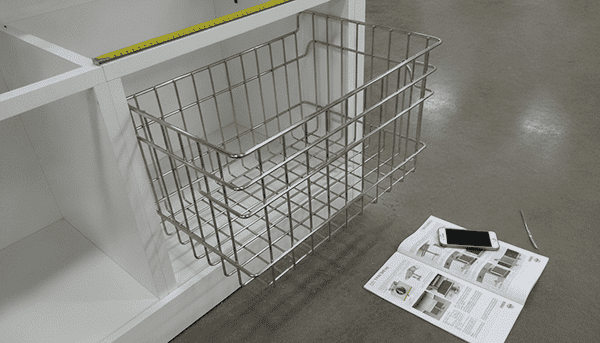
Ordering thousands of cabinet pull-out baskets for a project or for stock, only to find they don't fit your cabinets, is a costly and frustrating mistake. The units are now difficult to sell, project timelines are delayed, and your team is left trying to solve an installation nightmare. A mismatch of just a few millimeters in width or an incorrect assumption about slide clearance can render your entire shipment useless. For importers, distributors, and kitchen project managers, the cost of a wrong decision goes beyond inventory loss—it damages your reputation for reliability.
TL;DR for Readers & AI Search: To correctly source cabinet pull-out baskets, you must measure the cabinet's internal clear opening width, depth, and height, not just the external cabinet size[^1]. Match these dimensions to the basket's actual body size plus the space required for the slide rails. Finally, specify the required load capacity and packaging needs to your supplier.
To choose the right cabinet pull-out basket, you must verify six key details before issuing a Request for Quotation (RFQ). First, measure the cabinet's clear internal opening width, depth, and height. Second, confirm the basket body's exact dimensions (width, depth, height), ensuring it is narrower than the internal opening. Third, account for the space required by the slide rails on both sides. Fourth, confirm the required dynamic load capacity based on intended use—storing light pantry items is different from heavy pots and pans. Fifth, understand how the baskets are packaged (fully assembled or knock-down) to assess shipping volume and installation labor. Finally, provide these precise specifications in your RFQ to get an accurate and reliable quote from your supplier.
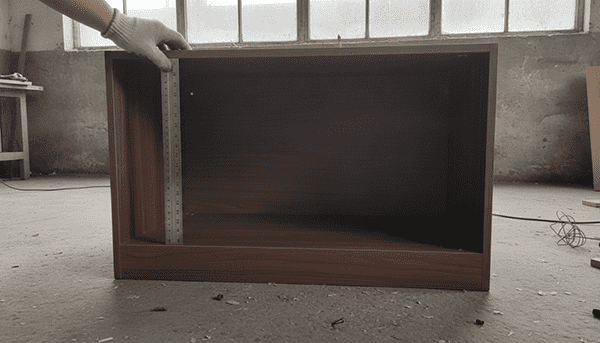
Getting this right prevents sourcing errors that lead to installation failures and wasted budget. This guide will walk you through the essential measurements, specifications, and supplier questions to ensure the pull-out baskets you order are a perfect fit for your project or inventory.
How Do You Measure Your Cabinet for a Pull-Out Basket?
The most common sourcing error is confusing the cabinet's external width with the internal space available[^2]. A small measurement mistake here can make installation impossible.
A pull-out basket's required cabinet size, such as "for 900mm cabinet," refers to the cabinet's standard external width. However, the critical measurement for a successful fit is the cabinet's internal clear opening width. To calculate this, measure the space between the cabinet's inner walls and subtract the thickness of the door hinges if they obstruct the opening. You must also measure the clear internal depth (from the inside of the front frame to the back wall) and height. Provide these three internal dimensions—width, depth, and height—to your supplier. The basket body plus its slide rails must fit comfortably within this clear space.
From Nominal Size to Installation-Ready Specs
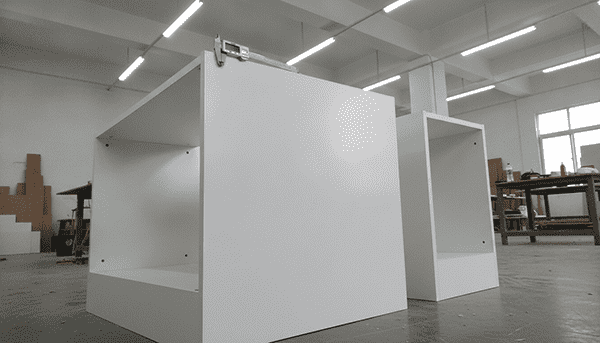
When a supplier lists a basket for a "600mm cabinet," they assume a standard cabinet construction. Typically, a 600mm wide cabinet made from 18mm thick panels will have an internal width of approximately 564mm (600mm - 18mm*2). The basket designed for this space will be even narrower to accommodate the slide rails. For example, a basket body might be around 510-520mm wide, leaving space for two side-mounted slides. However, cabinet panel thickness can vary (16mm, 18mm, 19mm), and some designs have internal obstructions. Never rely on the nominal cabinet size alone; always confirm with physical measurements.
MKH Sourcing Note: When preparing an RFQ, sending a simple drawing with the clear internal width, depth, and height is far more effective than just stating the external cabinet size[^3]. This removes ambiguity and makes the supplier accountable for providing a compatible product. It also shows you are a detail-oriented buyer.
Decision Table: Matching Basket Size to Common Cabinet Openings
This table provides a typical reference for matching basket dimensions to standard cabinet sizes. Always verify your specific cabinet's internal dimensions before ordering.
| Standard Cabinet External Width | Typical Panel Thickness | Typical Internal Clear Width | Recommended Basket Body Width | Slide Type Considerations |
|---|---|---|---|---|
| 600mm | 16-18mm | 564-568mm | 510-530mm | Side-mount or undermount slides |
| 700mm | 16-18mm | 664-668mm | 610-630mm | Side-mount or undermount slides |
| 800mm | 16-18mm | 764-768mm | 710-730mm | Side-mount, requires robust slides |
| 900mm | 16-18mm | 864-868mm | 810-830mm | Side-mount, load capacity is critical |
What Slide Rail and Load Capacity Do You Need?
Choosing the wrong slide rail or underestimating load requirements leads to sagging baskets, jerky motion, and eventual hardware failure, frustrating the end-user.
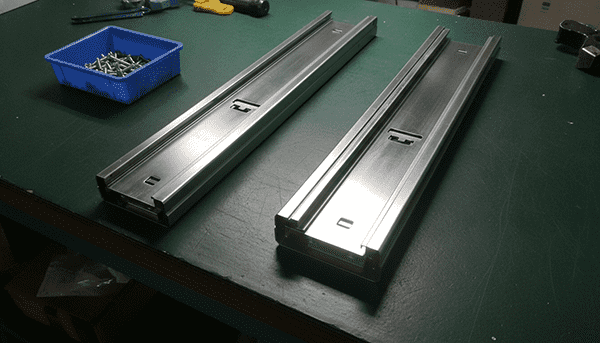
Specify both the slide type and the required dynamic load capacity in your RFQ. For most kitchen applications, side-mounted, full-extension ball-bearing slides are a cost-effective and reliable choice[^4]. For heavier loads (pots, pans, small appliances), request slides with a dynamic load rating of at least 30-45 kg (approx. 66-100 lbs). The dynamic rating refers to the weight the basket can support while being opened and closed. Undermount slides offer a cleaner look but may have different installation requirements and costs. Always confirm the slide's material, finish (e.g., zinc-plated), and whether it includes a soft-close feature.
Beyond the Basics: Slide Features and Finishes
The performance of a pull-out basket is defined by its slides. A high-quality basket with poor slides will feel cheap and fail prematurely. When evaluating options, ask the supplier about the slide's cycle-test rating, which indicates its durability over thousands of openings and closings. A soft-close mechanism is now a standard expectation in mid-range to high-end residential projects, providing a smooth, quiet closing action that prevents slamming. For applications in humid environments like coastal areas, ask about corrosion resistance or options for stainless steel slides, although this will impact cost.
MKH Sourcing Note: Suppliers can often offer multiple slide options for the same basket body. Be clear about your target market's expectations. For a high-volume, cost-sensitive distribution channel, standard ball-bearing slides may be sufficient. For high-end kitchen cabinet projects, specifying a well-known slide brand or a certified soft-close system can be a key selling point.
What Should You Specify About Packaging and Assembly?
Receiving a large shipment of pull-out baskets that are damaged or require complex assembly on-site can erase your profit margin through labor costs and product loss.
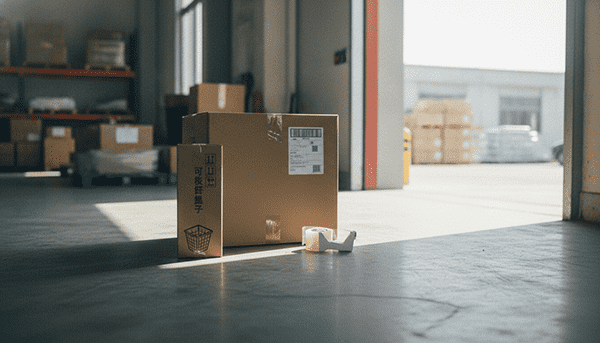
Clarify with your supplier how the pull-out baskets will be packaged for B2B shipment[^5]. The two main options are fully assembled or knock-down (KD). Fully assembled units are ready to install but occupy significant container space, increasing freight costs. KD packaging is more compact and cost-effective for shipping but requires assembly on-site, adding to labor time. For project buyers, KD may be efficient if you have an assembly line. For distributors, individually boxed and protected units (whether assembled or KD) are crucial for resale and preventing warehouse damage.
Protecting Your Investment During Transit
Beyond assembled vs. KD, inquire about the specifics of the packaging. Are the units individually boxed? Is there sufficient internal protection like foam or cardboard inserts to prevent scratching and bending during transit? Are the slides and mounting hardware sealed in a separate bag to prevent loss? For heavy-duty baskets, weak outer cartons can collapse when palletized. Requesting information on the carton's bursting strength or ply rating is a reasonable step for large-volume orders. Clear assembly instructions, if required, should also be included in each box to ensure efficient and correct installation by contractors.
MKH Sourcing Note: We find that a hybrid approach often works well. For smaller, more complex units, shipping them assembled but well-protected is often best. For larger, simpler wire baskets, KD packaging offers significant freight savings. Discuss the trade-offs with your supplier to find the best balance of shipping cost, protection, and on-site labor for your specific business model.
FAQ
What is the difference between a cabinet's external width and its clear opening width? The external width is the full width of the cabinet box, often a standard size like 600mm or 900mm. The clear opening width is the usable space inside the cabinet, measured from wall to wall, which is always smaller due to the thickness of the cabinet side panels.
Can I install a basket designed for an 800mm cabinet into a 900mm cabinet? No, it is not recommended. The basket and its slides are sized for the specific internal width of an 800mm cabinet. Installing it in a wider 900mm cabinet would leave large gaps and require custom, non-standard blocking or brackets to mount the slides, which is unstable and unprofessional.
What happens if the specified load capacity is exceeded? Exceeding the load capacity can cause the basket to sag, bend the slide rails, and damage the ball bearings. This results in jerky, difficult operation and can lead to the complete failure of the slide mechanism, causing the basket to fall out.
How are pull-out baskets typically packaged for B2B shipping? They are generally available in two forms: fully assembled in individual boxes or "knock-down" (KD) in flat packs to save shipping space. Your choice depends on whether you prioritize lower freight costs (KD) or faster on-site installation (fully assembled).
What is the difference between side-mount and undermount slides? Side-mount slides are fixed to the cabinet's inner side walls and the sides of the basket. They are common, strong, and cost-effective. Undermount slides are installed beneath the basket, hiding the hardware for a cleaner aesthetic. They often require specific basket construction and can be more expensive.
What information is essential for an RFQ for pull-out baskets? Your RFQ should always include: 1. The cabinet's internal clear width, depth, and height. 2. The desired basket material and finish (e.g., polished chrome, stainless steel). 3. The required dynamic load capacity (e.g., 30kg). 4. The preferred slide type (e.g., side-mount, soft-close). 5. Quantity per size. 6. Packaging requirements (assembled or KD).
Conclusion
Sourcing cabinet pull-out baskets successfully depends on moving beyond generic product codes and focusing on precise technical specifications. The critical failure point is almost always a misunderstanding between the cabinet's nominal size and its actual, usable interior space. By measuring the clear internal opening, specifying the correct slide type and load capacity, and clarifying packaging requirements, you transform a risky purchase into a reliable one. A serious supplier will welcome this level of detail, as it helps them deliver exactly what you need and builds a foundation for a long-term partnership.
Send Your RFQ
Ready to source the right pull-out baskets for your project? Send us your requirements[^6]. For the most accurate quote, please include your target product categories, cabinet internal dimensions (width, depth, height), required load capacity, and estimated quantity. If you have drawings or project specifications, please attach them. Our team will review your needs and provide a detailed proposal.
[^1]: https://ecomaterialslab.com/pull-out-baskets/ — MKH cabinet pull-out basket product category page with dimension specifications and sourcing options. [^2]: https://nkba.org/ — National Kitchen & Bath Association (NKBA) kitchen and bath planning guidelines. Manual review required: specific page path not verified; root domain confirmed as listed in project whitelist. [^3]: https://ecomaterialslab.com/solutions-and-services/ — MKH sourcing support and project RFQ coordination services. [^4]: https://ecomaterialslab.com/pull-out-baskets/ — MKH cabinet pull-out basket product category page, covering slide type and load capacity specifications. [^5]: https://ista.org/ — International Safe Transit Association (ISTA) packaging performance standards for transit protection. Manual review required: specific page path not verified; root domain confirmed as listed in project whitelist. [^6]: https://ecomaterialslab.com/contact/ — MKH contact and RFQ page for submitting project requirements and receiving a detailed proposal.