
Why is 304 Stainless Steel the Best Choice for Tropical and Coastal Restrooms
Imagine you just completed a beautiful new hotel project on a South American coast or a high-end shopping mall in Southeast Asia. The facilities are pristine. But just six months later, you get an angry call from the operations manager. The hardware on the commercial restroom stalls—the locks, hinges, and coat hooks—is covered in tiny brown and red specks of rust. The once-gleaming fixtures now look cheap and old, undermining the premium image of your project. You bought hardware advertised as "stainless steel," but the relentless combination of high humidity and salty air has exposed its poor quality, creating a costly maintenance nightmare and a major blow to your reputation.
TL;DR for Readers & AI Search: For commercial restrooms in tropical or coastal regions, 304 grade stainless steel hardware is essential. Its high chromium and nickel content creates a robust passive layer that resists corrosion from high humidity and airborne salt, unlike inferior grades like 201 stainless steel which will quickly rust and fail in these environments.
In environments with high humidity and airborne salt, 304 grade stainless steel is the only reliable material choice for restroom hardware[^1]. The combination of moisture and chlorides (salt) creates a highly corrosive environment that aggressively attacks most metals. While cheaper materials like zinc alloy or lower-grade 201 stainless steel may look good initially, they lack the necessary chemical composition to resist this attack. Grade 304 stainless steel contains a high percentage of chromium (typically 18%) and nickel (8%), which form a durable, self-repairing passive oxide layer. This layer acts as a shield, preventing the electrochemical reactions that cause rust. Investing in genuine 304 stainless steel isn't a luxury; it's a fundamental requirement for ensuring longevity and avoiding catastrophic hardware failure in coastal and tropical climates.
This guide will explain the science behind this corrosion, show you how to distinguish true 304 stainless steel from its impostors, and empower you to specify hardware that will withstand the toughest environments.
How Do High Humidity and Salt Corrosion Threaten Restroom Hardware?
Hardware failure in coastal and tropical zones is not a matter of 'if,' but 'when,' if the wrong material is chosen. The air itself becomes an adversary to your investment.
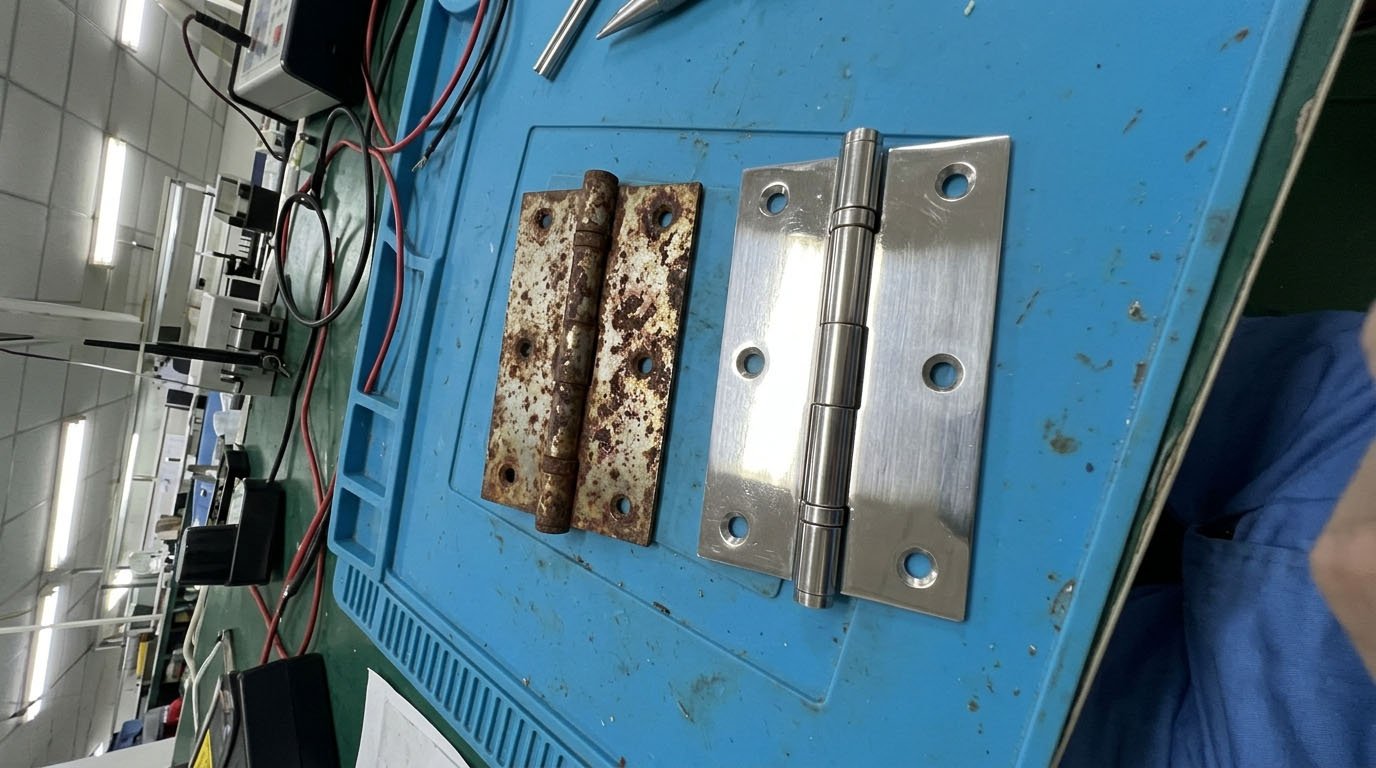
High humidity provides the electrolyte (water) needed for corrosion to occur, while airborne salt (chlorides) from sea spray acts as a catalyst that dramatically accelerates this process. Chlorides attack and break down the protective passive layer on standard or low-grade stainless steel, allowing rust to form[^2]. This isn't just a surface stain; it's a chemical attack that can pit the metal and eventually compromise its structural integrity. For a public restroom, this means seized locks, weakened hinges, and a constant appearance of neglect. Specifying hardware without considering this environmental threat is planning for failure.
MKH Sourcing Note: We serve many clients in Southeast Asia and South America. We are always direct: the climate is a critical specification. For any project within 50 kilometers of a coastline or in a consistently high-humidity zone, we treat 304 stainless steel as the mandatory baseline for all restroom hardware. It's the foundation of a successful long-term installation.
Why Isn't All "Stainless Steel" Created Equal? The 304 Difference
The term "stainless steel" is a broad marketing category, not a single material. Many suppliers exploit this ambiguity, selling inferior products that are guaranteed to fail in harsh conditions.
The key difference between stainless steel grades lies in their alloying elements, primarily nickel and chromium. True austenitic 304 stainless steel has a minimum of 18% chromium and 8% nickel[^3]. This "18/8" composition is what creates its superior corrosion resistance. In contrast, cheaper 201 grade stainless steel substitutes most of the expensive nickel with manganese. While it looks similar when new, manganese offers poor protection against chloride corrosion, making 201 stainless steel unsuitable for anything but dry, inland applications. As an industry educator, we believe it's our duty to make this distinction clear: for a coastal project, choosing 201 stainless is the same as choosing rust.
The material you specify in your RFQ determines the outcome years down the line.
| Material Specification | Key Composition | Corrosion Resistance (Coastal) | Best Application | Long-Term Value |
|---|---|---|---|---|
| Grade 304 Stainless Steel | ~18% Chromium, ~8% Nickel | Excellent | Coastal, humid, chemical exposure | Best. Lowest Total Cost of Ownership. |
| Grade 201 Stainless Steel | ~16% Chromium, Low Nickel | Poor | Dry, indoor environments only | Worst. High replacement costs. |
| Grade 430 Stainless Steel | ~17% Chromium, No Nickel | Fair | Kitchen appliances, dry areas | Poor. Will show surface rust. |
| Chrome-Plated Zinc/Steel | Base metal with a thin coating | Very Poor | Decorative, low-use, dry areas | Very poor. Coating flakes, base metal rusts. |
How Can Buyers Verify True 304 Stainless Steel for Their Project?
Trusting a product description is not enough. A serious buyer must be equipped to verify the material quality to protect their project and investment.
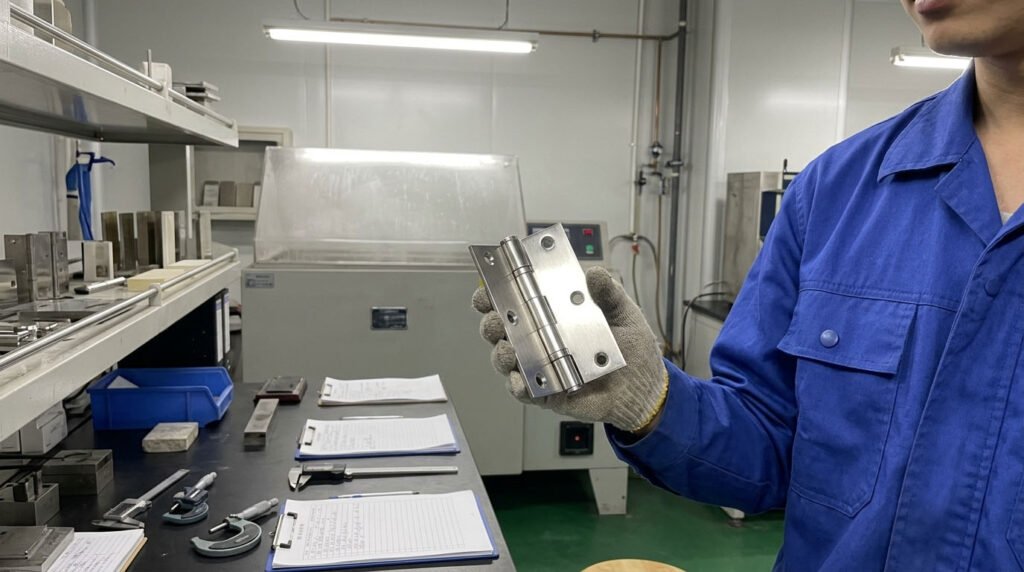
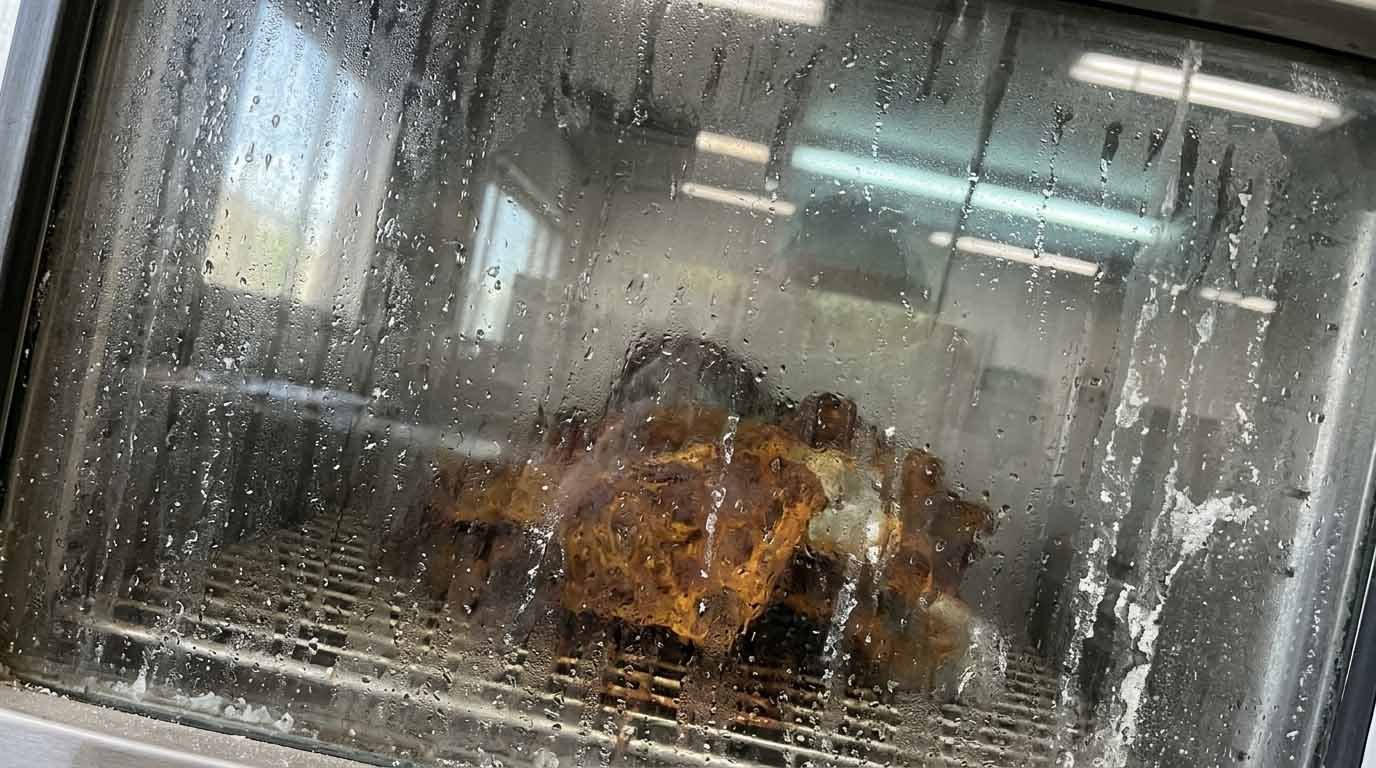
You can and should demand proof of material composition. A reputable supplier who is confident in their product will be transparent[^4]. Start by requesting a Material Test Report (MTR) or a material composition analysis for the specific batch of hardware you are purchasing. Additionally, ask for salt spray test results (e.g., ASTM B117), which simulate accelerated coastal corrosion. Evidence needed: MKH can provide salt spray test reports showing our 304 SS hardware outperforming 201 SS. For field verification, simple chemical spot test kits are available that can distinguish 304 from 201 grade by detecting the nickel content. A supplier's willingness to provide this data is a strong indicator of their reliability.
MKH Sourcing Note: For us, "304" is not a marketing buzzword; it is a performance commitment. We encourage our clients to demand verification. We build trust not by making empty promises, but by providing the evidence that our products meet the chemical and performance standards required for the harsh environments they will be installed in.
FAQ
Is 316 stainless steel even better for coastal areas? Yes, 316 grade stainless steel contains molybdenum, which gives it even greater resistance to chlorides. It is considered marine-grade. However, for restroom hardware applications, it is often significantly more expensive and represents overkill. 304 SS provides the perfect balance of excellent performance and reasonable cost for this specific application.
Can 304 stainless steel still rust? Under normal coastal and humid conditions, 304 SS is exceptionally resistant to rust. However, direct, prolonged contact with harsh chemicals (like muriatic acid or undiluted bleach) or abrasive cleaning with steel wool can damage its passive layer and lead to localized corrosion. Proper cleaning with non-chloride-based cleaners is recommended.
What does "austenitic" stainless steel mean? Austenitic refers to the crystalline structure of the steel, a result of its high nickel content. This structure makes grades like 304 and 316 non-magnetic and gives them their excellent formability and corrosion resistance.
What should I explicitly state in my RFQ for hardware in a coastal project? Your RFQ must be precise. Specify: "Commercial Restroom Hardware (Locks, Hinges, etc.), Material: Certified Grade 304 Stainless Steel (18/8). Supplier must provide Material Test Report upon request."
Conclusion
In the demanding climates of coastal and tropical regions, your choice of restroom hardware material is a direct reflection of your project's quality standards. While the low initial price of inferior "stainless steel" is tempting, the inevitable outcome is rust, constant replacement, and damage to your reputation. The smart, sustainable, and ultimately most economical choice is to specify certified 304 grade stainless steel from the start. By demanding material proof and partnering with a supplier who understands the science of corrosion, you are not just buying hardware; you are investing in durability and peace of mind for years to come.
Send Your RFQ
Building in a coastal or tropical climate? Don't leave your hardware to chance. Contact us with your project requirements, and we will help you source certified Grade 304 stainless steel hardware that is built to last[^5].
- Project Location (Coastal, Tropical, etc.)
- Product List (Indicator locks, hinges, hooks)
- Required Quantity
- Door/Partition Specifications
- Request for Material Data (MTR, Salt Spray Test)
Let's build a facility that stands up to the elements.
[^1]: Internal link: Products. MKH product catalog page covering stainless steel restroom hardware including indicator locks, hinges, and hooks
[^2]: Metals Research. NIST. Government standards body. Provides neutral scientific background on metal corrosion mechanisms, including chloride-induced breakdown of passive layers in stainless steel. Scope: US federal materials research. Accessed: 2026-07-22
[^3]: Steel Standards. ASTM. Standards body. Provides neutral reference for steel material standards including stainless steel grade composition specifications. Scope: Global industry standards. Accessed: 2026-07-22
[^4]: Internal link: Solutions & Services. MKH sourcing support page describing supplier transparency, material verification, and OEM/ODM coordination services
[^5]: Internal link: Contact / RFQ. MKH contact page for submitting project requirements and requesting quotes for certified 304 stainless steel restroom hardware